
O Guia paraPalácio de Belas Artes de São Francisco
O Palácio de Belas Artes é um dos marcos arquitetônicos de São Francisco. Veja por que você deve vê-lo em sua próxima visita.
É uma lembrança do passado de São Francisco, um símbolo do espírito criativo da cidade e um dos cenários mais dramáticos para o seu feed do Instagram. É o Palácio de Belas Artes e é absolutamente imperdível para quem visita São Francisco.
What is the Palace of Fine Arts?
The Palace of Fine Arts is a public monument, the last surviving structure from the 1915 Panama-Pacific International Exhibition. Urban engineers created the 635-acre site from the mud flats at the bay's edge. The rotunda and colonnade are fronted by a man-made lagoon, lined with paved pathways and benches. Behind the main structure is the Palace of Fine Arts Theatre, which welcomes top comedians, musical acts, and other performers regularly.
What was the 1915 Panama-Pacific International Exhibition?
Conceived as a celebration for the completion of the Panama Canal, the 1915 event was also a way to encourage visitors to return to San Francisco after the infamous 1906 earthquake and fire. Similar to other famous world's fairs through history, the Panama-Pacific International Exhibition showcased the latest technological and artistic innovations, including a race car, steam locomotive, and telephone.
Why was the Exhibition so important?
Beyond bringing visitors to support local businesses, the Exhibition also helped solidify San Francisco's reputation as "The City That Knows How"—something we're still very proud of to this day!
But perhaps the most important outcome of the Exhibition was the creation of an entirely new neighborhood. Once the swamp was dredged and the land was filled, the Marina was born. The Palace of Fine Arts has remained an icon of the neighborhood ever since.
What is the history of the Palace of Fine Arts?
After the 1915 event ended, the other exhibition structures were demolished—but not the Palace of Fine Arts. The monument had so thoroughly captivated locals and visitors alike that San Franciscans refused to part with it.
However beloved it was, the Palace of Fine Arts was poorly maintained for many years. As the structure faced collapse in the 1960s, San Franciscans rallied to preserve it. The Palace of Fine Arts was reconstructed over many years with stronger, longer-lasting materials, ensuring the building would remain a permanent fixture of the San Francisco skyline.
Estilo arquitetônico
Suas colunatas de estilo grego e sua rotunda central elevada fazem dela uma das características mais singulares e reconhecíveis do horizonte norte de São Francisco. De perto, a escala da estrutura é verdadeiramente deslumbrante. Não se surpreenda se você tiver que evitar cuidadosamente aparecer no fundo de mais de uma foto de casamento de um casal feliz durante sua visita.
What are the "Weeping Women" at the Palace of Fine Arts?
You might expect the columns of the Palace to be topped with sculptures of rearing horses, soaring eagles, or proud ancient warriors. Instead, original architect Bernard Maybeck and sculptor Ulric Ellerhusen created a collection of feminine statues, their backs turned to the public, faces almost hidden.
These pieces, known locally as the "Weeping Women", have captured visitors' curiosity since their unveiling. Maybeck is said to have claimed they represent those who would mourn a world without art. We like to say they represent visitors to San Francisco who don't want to go home!
Chegando ao Palácio de Belas Artes
O Palácio de Belas Artes está localizado na Baker Street, na Marina , bem no extremo leste do Presídio . Fica a três quilômetros e meio a oeste de Fisherman's Wharf e a cinco quilômetros a noroeste de Union Square . Você pode chegar ao Palácio de Belas Artes via Muni pegando os ônibus das linhas 22, 28, 30, 41, 43 ou 45. Funciona diariamente das 6h às 21h.
O Palácio domina um pequeno parque do bairro que possui gramados para fazer piqueniques e uma lagoa tranquila repleta de peixes, pássaros e tartarugas. O Palácio é a única estrutura remanescente da Exposição Internacional Panamá-Pacífico de 1915, um evento histórico no estilo da Feira Mundial que colocou São Francisco de volta no mapa como uma grande cidade global após a devastação do terremoto e incêndio de 1906.
O que há por perto
Do Palácio de Belas Artes, é uma caminhada rápida de 800 metros até a Chestnut Street e a Union Street, duas ruas repletas de lojas, restaurantes e bares preferidos pelos moradores do bairro. Você também pode continuar para o oeste até o Presidio ou caminhar para o leste ao longo da orla marítima e contemplar Alcatraz e a Ponte Golden Gate no caminho para Fort Mason .
What can I see at the Palace of Fine Arts Theatre?
The Palace of Fine Arts Theatre hosts performances all year long. You can purchase tickets to see live music, dance, comedy, and more.
How much does it cost to visit the Palace of Fine Arts?
Exploring the Palace and its grounds is completely free!
It's a reminder of San Francisco's past, a symbol of the city's creative spirit, and one of the most dramatic backdrops for your Instagram feed. It's the Palace of Fine Arts, and it's an absolute must-see for anyone visiting San Francisco.
Frequently Asked
Questions
The most important things to know about San Francisco's Palace of Fine Arts.

Você sabia?
Todo o bairro da Marina poderia nunca ter existido se não fosse pela Exposição Internacional Panamá-Pacífico. Engenheiros urbanos criaram o local de 635 acres a partir dos lodaçais à beira da baía.
Para facilitar a participação das pessoas na Exposição, escadas foram escavadas nas calçadas íngremes da vizinha Fillmore Street.
O Palácio de Belas Artes foi cenário de vários filmes, desde The View , de 1958, até Twisted , de 2004. Também foi dito que o Palácio foi a inspiração de George Lucas para o projeto da residência real da Rainha Amidala em Star Wars: Episódio I: A Ameaça Fantasma .

Dan fez parte da equipe da San Francisco Travel por mais de uma década, mais recentemente como Vice-Presidente de Marketing Global. Atualmente, ele é o Diretor Sênior de Marketing Global da Brand USA. As maneiras favoritas de Dan passar o tempo em São Francisco são com uma xícara de café especial na mão, uma playlist com boas vibrações e uma lista crescente de livros para ler, ou em um dos restaurantes ou bares mais badalados do momento.
Você pode gostar
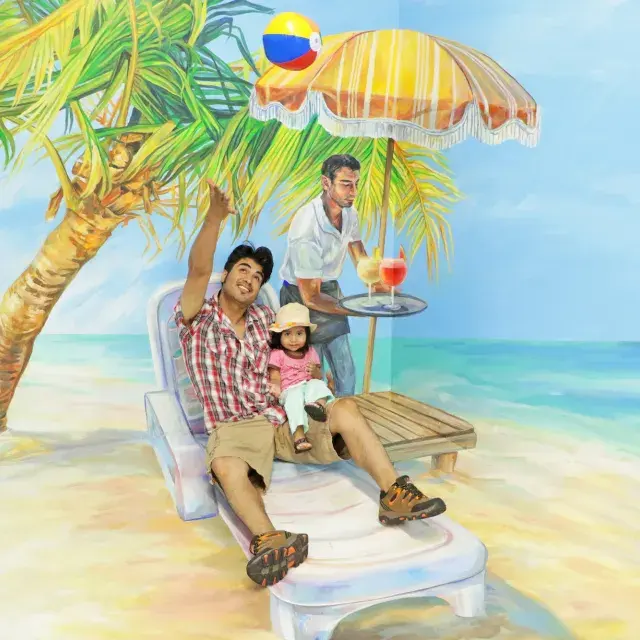
Quer você seja criança ou criança de coração, o Museu das Ilusões 3D tem exposições interativas que todos podem desfrutar.
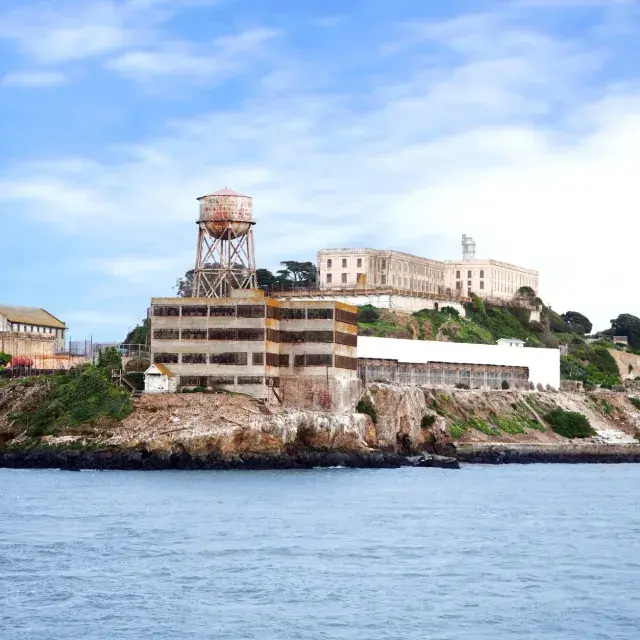
Há muito mais na história de Alcatraz do que a sua infame prisão.

A carreira de Monetta White abrange funções culinárias e culturais. Aprenda com ela como aproveitar melhor o que São Francisco tem a oferecer.

Não importa o que você esteja procurando quando o relógio bater na hora do almoço, você certamente encontrará em São Francisco.
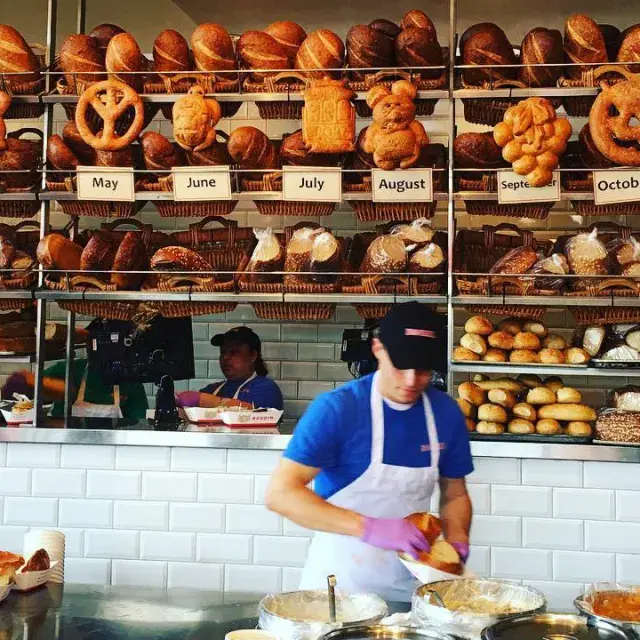
Prove a história nesta icônica Padaria de São Francisco, onde nasceu nosso fermento exclusivo.
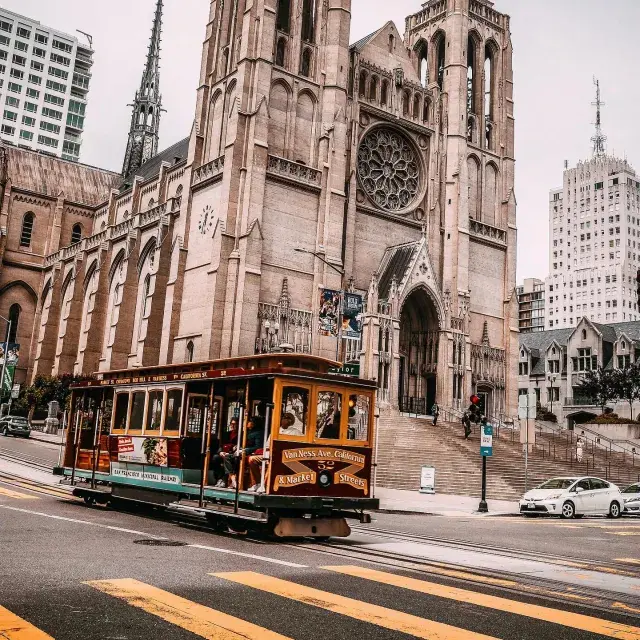
Cuidadosamente construída ao longo de 37 anos após o terremoto e o incêndio de 1906, Grace é ao mesmo tempo um marco turístico e uma catedral em funcionamento conhecida por sua...
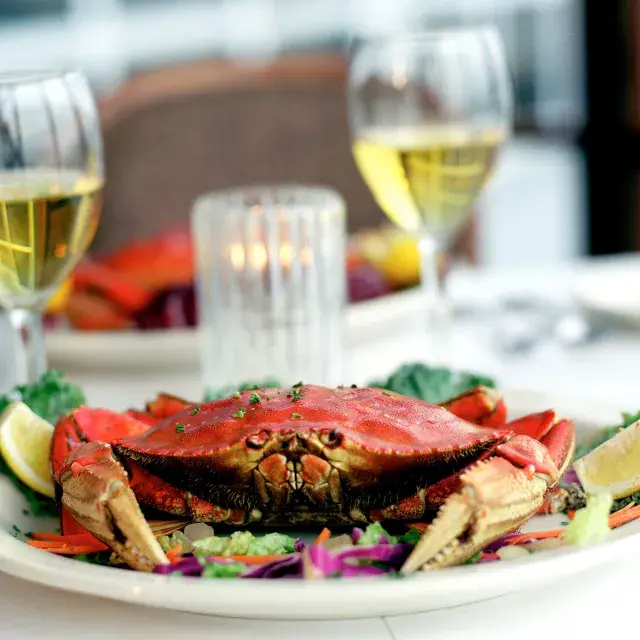
Você veio a São Francisco só para comer? Não fique envergonhado; é por isso que São Francisco é famosa!

Deixe que a United Airlines ofereça a você uma experiência de viagem luxuosa em seu lounge Polaris no Aeroporto Internacional de São Francisco.

Procurando uma experiência de cannabis com curadoria? Não procure mais, Posh Green, uma nova boutique de Reese Benton, local de São Francisco.

Assine a nossa newsletter
Seja o primeiro a saber sobre os próximos eventos e festivais, novos restaurantes, ofertas especiais e tudo o mais que acontece na City by the Bay.