
Heart of the CityFillmore
Few San Francisco neighborhoods stand so close to the edge of tomorrow as does the Fillmore. See it through the eyes of the people who live here.
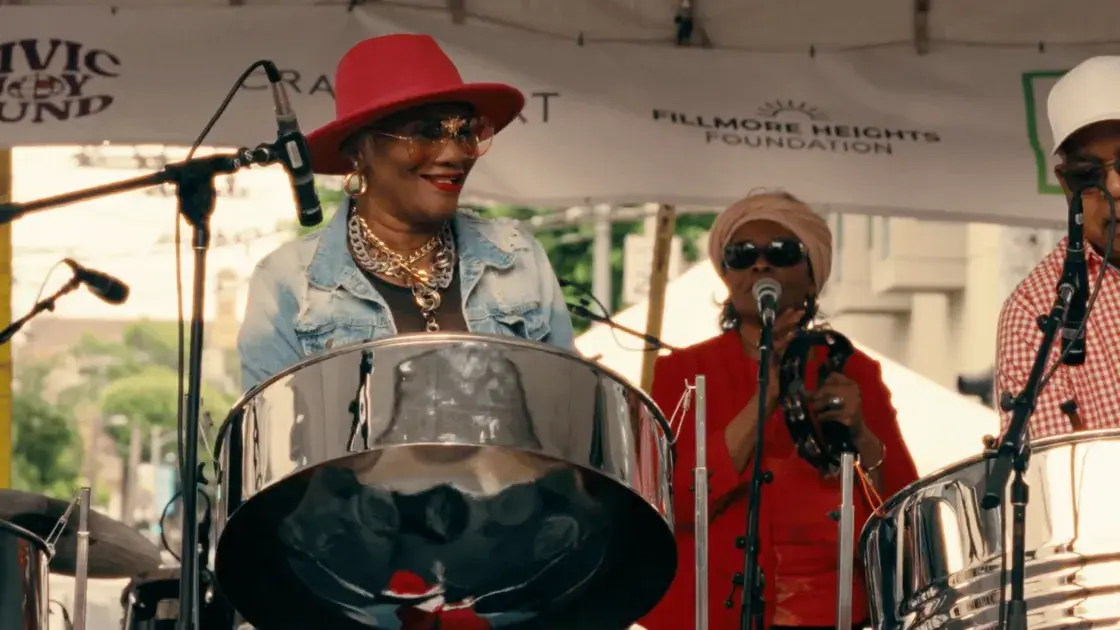
Ask any music lover to describe that “San Francisco sound,” and chances are they’ll talk to you about the artists of the late 1960s: Janis Joplin, Jimi Hendrix, and—of course—the Grateful Dead. But there’s another San Francisco musical tradition that stretches further back to the post-war 1940s, when jazz was all the rage and the biggest names in that genre could often be found performing in San Francisco: Louis Armstrong, John Coltrane, Billie Holliday, and Ella Fitzgerald, to name a few.
They sang and played in a neighborhood that quickly earned a reputation as “the Harlem of the West”, the place outside of New York most responsible for shaping African-American culture at the time. That neighborhood was San Francisco’s Fillmore District. Today, the Fillmore echoes with that history and invites visitors to meet the creators and tastemakers who are poised to usher in a neighborhood renaissance.
Fillmore
An Incubator for Innovation
Given its reputation for prioritizing peace, love, and good vibes, it’s hard to remember that San Francisco was once an integral cog in the American war machine. After Pearl Harbor was attacked in 1941, San Francisco’s Hunters Point became one of the country’s most active shipyards. Manpower was needed to meet the Navy’s demands. For many Black Americans in search of opportunity, San Francisco became the top destination. The majority settled in the Fillmore.
For decades, Fillmore’s namesake thoroughfare was lined with Black-owned businesses; but those establishments weren’t prioritized by the city leaders who sought to reshape San Francisco in the post-war era. The Black community of Fillmore was significantly displaced, relocating to other parts of the city or across the bay.
But like any other neighborhood of San Francisco, the Fillmore remains imbued with entrepreneurial spirit. There are no idle hands in “The City That Knows How”. That is on display most prominently in the Fillmore at In The Black.
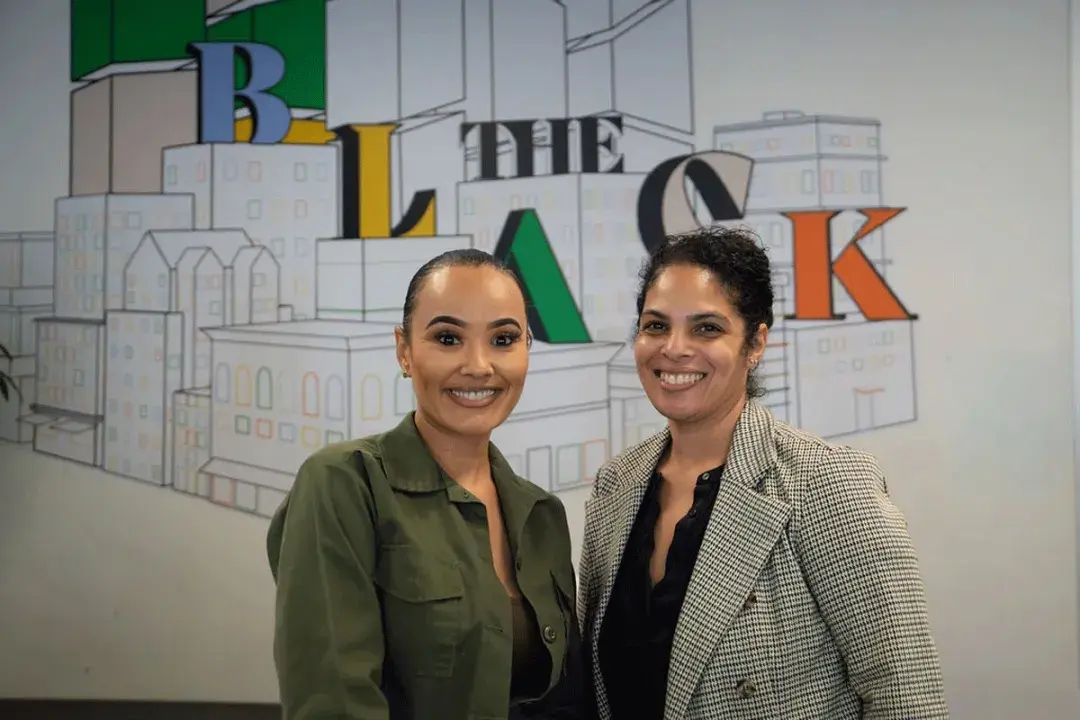
This creative marketplace, at the corner of Fillmore Street and Geary Boulevard, is dedicated not just to showcasing neighborhood talent, but fostering it well into the future. A shop, gallery, community space, and training ground, In The Black has already helped more than 130 new businesses—80% of them women-owned—get launched. Eddie Moore and Nicole Moore-Sims have overseen the growth of In The Black as part of their roles with San Francisco’s Housing Development Corporation.
“One of the primary focuses was to bring Black businesses back to the corridor,” Eddie says.
The idea, Nicole adds, is that the return of local creators becomes a self-fulfilling cycle. “When someone comes into our store, they’re not just buying a product. They’re investing in the community."
The shelves and racks at In The Black contain clothing and accessories, as well as skin and hair care products. The walls are hung with canvases painted by local artists. “We’re really trying to expand what Fillmore is known for,” says Nicole.

Teaching a new crop of entrepreneurs wasn’t something that came naturally to the duo. “We kind of built the plane as we were flying, and we’ve learned a lot over the last couple of years,” says Eddie, “But I’m proud to say we’re still here.” Now, their aspirations have only grown.
“My hope for In The Black is to be a sustainable model,” Eddie says. “As they say, success leaves clues.”
"It Feels So Right"
Fernay McPherson recalls her childhood in the Fillmore fondly.
“I always felt secure,” she says. “If I was going home late at night, I always saw somebody that was going to make sure I got home safe.”
Preserving a community that cares has been central to Fernay’s career as a chef and restaurateur. Beginning in 2010, she would cater small events in the Fillmore and teach youth cooking classes. Next came a food truck, then a small kiosk across the bay in Emeryville. In 2024, she was able to open Minnie Bell’s Soul Movement mere blocks from where she and her extended family still live.
“My quest was, I’m going to find me a space on Fillmore Street,” she says. “Being here in the Fillmore, it feels so right.”

Named for Fernay’s great-aunt and grandmother, who arrived in San Francisco during the Great Migration, Minnie Bell’s serves up the terrific soul food that was a staple of the McPherson family home. Hot honey wings, creamy mac ‘n’ cheese, and specials including fish and oxtail have put Minnie Bell’s on the map. The restaurant has landed on Bon Appétit’s and Michelin’s lists of must-visits for serious foodies, adding more accolades to San Francisco’s unparalleled culinary scene. But don’t expect that success to change the experience.
“I want people to feel like they’re sitting in their childhood home, at the kitchen table,” Fernay says.
Did You Know?
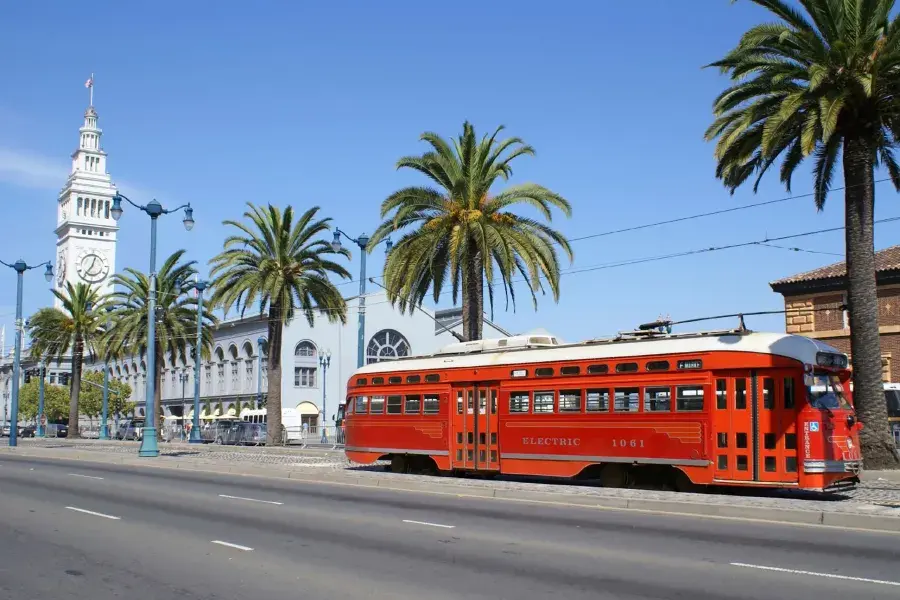
Fernay once worked as a Muni operator! “I was working at Muni and doing my food truck at the same time,” she says. “I was the only part-time transit operator in the entire SFMTA.”
Where Music History Is Made
Before, during, and after its jazz heyday, the Fillmore was home to what arguably remains the most famous music venue in all of San Francisco. Sharing its name with the neighborhood, The Fillmore has welcomed the biggest names in popular music for nearly 100 years.
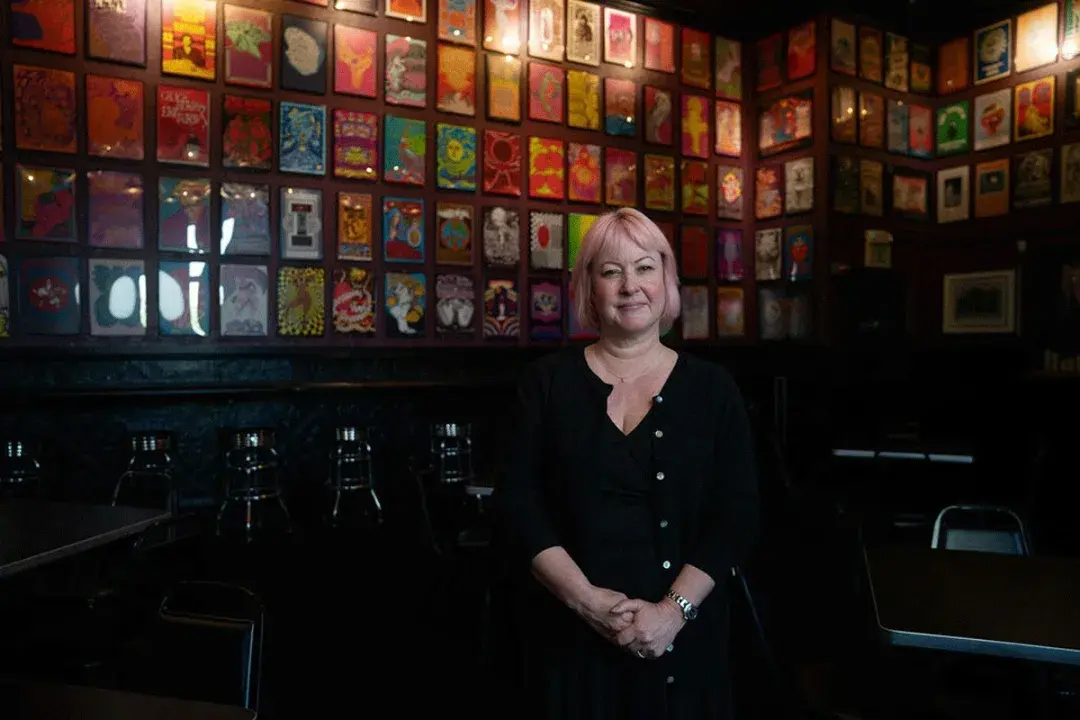
“I think it’s one of the best sounding rooms in the country,” says Amie Bailey-Knobler, The Fillmore’s general manager. For Amie, the acoustics of the venue are second only to its history when listing the reasons that everyone should take in a show at The Fillmore.
Once owned by Charles Sullivan, one of the most successful Black businessmen of his time, The Fillmore passed into the hands of legendary concert promoter Bill Graham. Under Graham’s management, The Fillmore became, as Amie puts its, “nationally famous, recognizable as the birthplace of the psychedelic scene and the counterculture movement.”
That legacy literally lines the walls of The Fillmore. Concert posters in The Fillmore’s bar and lounge stretch wall-to-wall and climb high over guests’ heads. You’re almost guaranteed to find your favorite act among the them—sometimes from a show before they were famous.
“World-class musicians get humbled by that stage,” says Amie.

Because it’s held in the same esteem as The Apollo in New York or The Ryman in Nashville, The Fillmore attracts, according to Amie, “different genres every night, different crowds coming in.” But no matter the style of music, Amie and her team always embody San Francisco’s welcoming spirit.
“We do a unique thing: hiring a person that stands right at the top of the stairs and says, “Welcome to The Fillmore,” at every single show. We have a lot of repeat customers, and I think that those little touches go a long way.”
"This Neighborhood Is About to Do Great Things"
Once a neighborhood that had so much of its past defined by others, the Fillmore now vibrates with the energy of a place charting its own destiny.
“This neighborhood is about to do great things,” says Amie. She points to the new businesses, the popular street fairs, the easy access, and central location as reasons why the Fillmore stands ready to welcome more visitors.
“It’s just a forward-thinking kind of place,” Eddie says, referring to both the neighborhood and the city at large. “There’s no other option […] but to be innovative.”
In a city known for boldly trying new things, perhaps it’s no surprise that the neighborhood most associated with the unpredictable, improvisational, and collaborative performance of jazz should claim the mantle of Heart of the City.
“Without the Fillmore,” says Fernay, “There’s no San Francisco.”

Discover More Black-Owned Restaurants in San Francisco
Let Minnie Bell's be the start of your culinary journey through the Black-owned restaurants of San Francisco. You'll find them in every neighborhood, at every price point, offering a wide variety of cuisine.
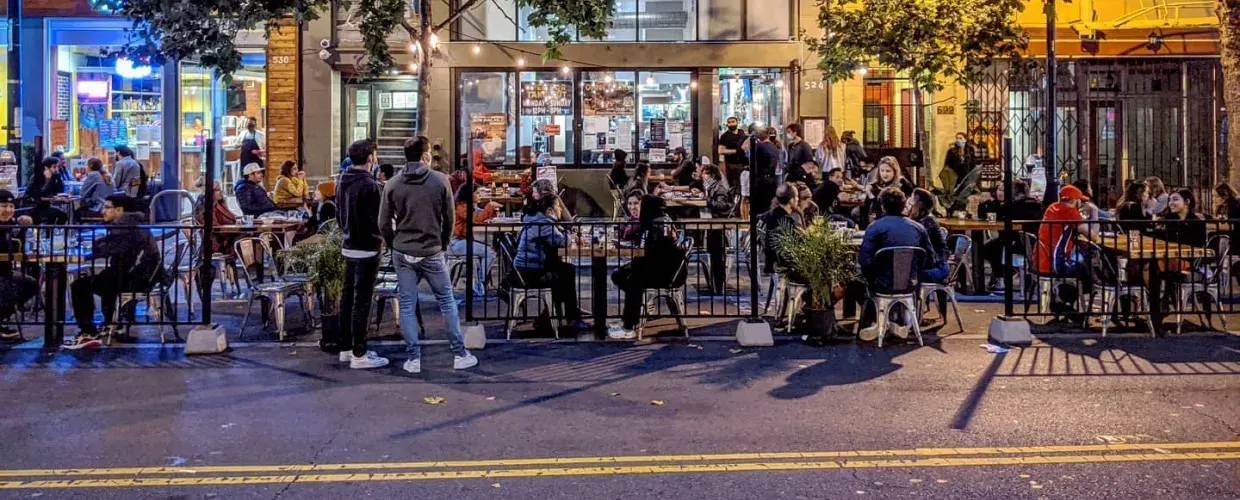
Find Short-Term Rentals in San Francisco
Tyler is the Director of Global Content & Communications at San Francisco Travel. He has lived in San Francisco since 2015 and has been part of the San Francisco Travel team for just as long. He enjoys splashy production numbers and outdoor sporting events equally, which means you can usually find him at one of San Francisco’s many great theaters or at Oracle Park, cheering on the Giants.
You May Also Like

Exploring San Francisco’s vibrant neighborhoods by bike is a breeze with Bay Wheels, the city’s official bike share program, operated by Lyft.

There’s so much to see and do in San Francisco that visitors and residents alike could spend weeks exploring and still not see or do it all. But what about activities when the sun goes down?
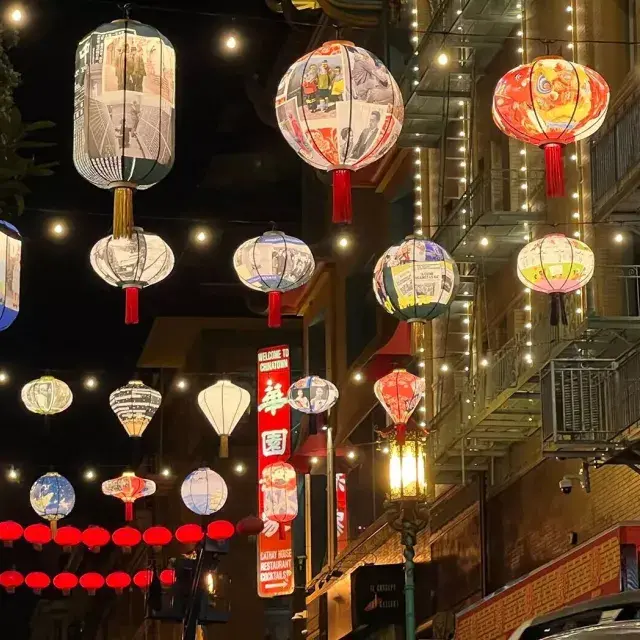
See some of San Francisco's most popular neighborhoods sparkle this winter
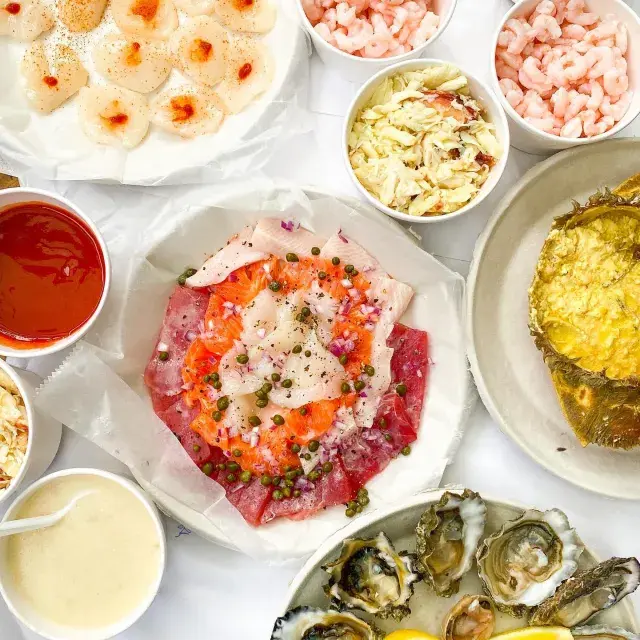
No matter what you’re looking for when the clock strikes lunch time, you’re sure to find it in San Francisco.
Stretching back to the wild Gold Rush days, San Francisco's neighborhood bars are as reliable a source of the city's history as any museum.
Did you come to San Francisco just to eat? Don't be embarrassed; this is what San Francisco is famous for!

San Francisco's shopping scene is accessible to all. Here are some of our favorite places around the city to shop.

On the bay side of the city, you'll find some beautiful light art that takes full advantage of a gorgeous backdrop.
Get the fast facts on San Francisco's largest, greenest, and newly renovated convention venue, The Moscone Center