San Francisco Cable Cars: How to Ride, Tickets, and Tips
Learn how to ride San Francisco's iconic cable cars, including routes, ticket options, best boarding spots, and tips for avoiding long lines.
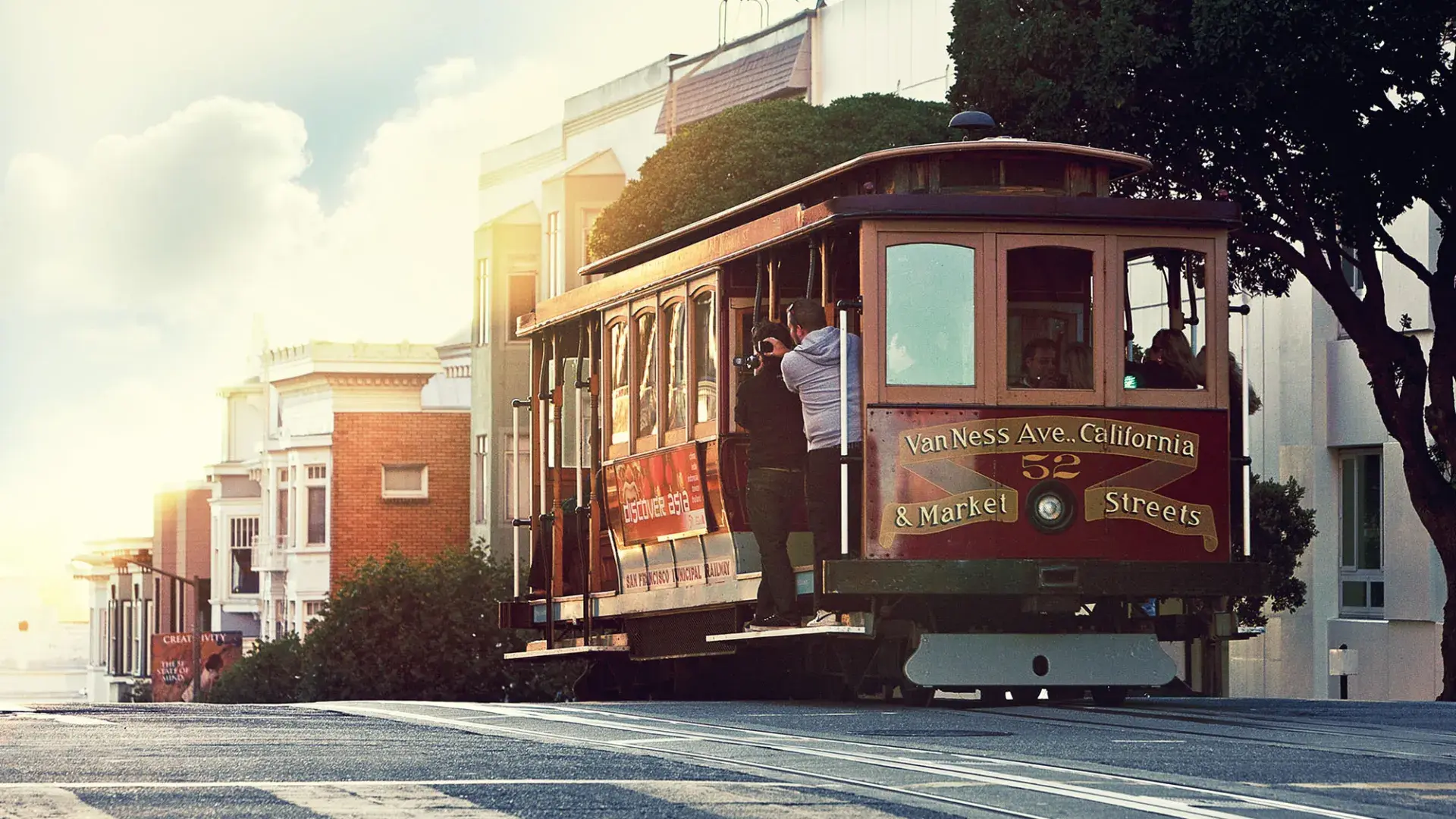
|
QUICK FACTS ABOUT THE CABLE CARS |
|
| What are the cable cars? | The country's only moving national landmark, San Francisco's cable cars are a unique way to experience the city. |
| Where do the cable cars go? | The Powell-Hyde and Powell-Mason lines run from Union Square through Chinatown and Russian Hill to Fisherman's Wharf. The California Street line runs from downtown over Nob Hill toward Japantown, the Fillmore, and Pacific Heights. |
| How do I ride the cable car? | Climb aboard at any marked stop along the routes. The turnaround points at the end of each line are obvious places to board, but are often the most crowded. |
| When can I ride the cable car? | The California Street line runs from 7:00 a.m. to 9:00 p.m. daily. The other two run later, serving visitors until 11:00 p.m. daily. |
| How much do the cable cars cost? | Single rides cost $9. Children under 4 ride for free, and seniors' fare is only $4. Purchase your tickets via a Clipper Card. You can also tap to pay with your debit card, credit card or digital wallet. For cash payments, exact change is required. |
There is nothing quite like riding a cable car up and down the hills of San Francisco. While they symbolize the early innovation that made the city iconic, the experience of riding a cable car is timeless.
San Francisco's cable cars are the world's last manually operated cable car system, pulled along by cables embedded in the street. These right-out-of-the-Smithsonian cable cars were named a national historic landmark in 1964. Refurbished and equipped with new tracks, cables, turnarounds and cable propulsion machinery, they operate much as they did on August 2, 1873, when Andrew S. Hallidie guided the first car down Clay Street.
San Francisco Cable Car Routes
Once upon a time, cable car lines serviced the entire city. Today, only three lines remain, but they can take you to some of San Francisco's most popular neighborhoods.
The Powell-Hyde Line
When people imagine riding the cable cars, the Powell-Hyde line is probably what they picture. It traverses some of the steepest streets in the city, giving riders unbelievable views of the city below and the bay beyond. From the clattering climb to Nob Hill to the exhilarating descent into Fisherman's Wharf, the Powell-Hyde cable car will take you to legendary local landmarks including Lombard Street and Ghirardelli Square.
Ride the Powell-Hyde Cable Car
The Powell-Mason Line
While it shares most of its route with the Powell-Hyde line, the Powell-Mason line is not to be counted out. If it's easy access to Chinatown and North Beach you're after, the Powell-Mason line is for you. This route also has the benefit of terminating closer to PIER 39, making all of its great dining and attractions even more accessible to you.
Ride the Powell-Mason Cable Car
The California Street Line
The least popular of the three cable car lines, the California Street route certainly has its merits. The views as it makes its way to and from downtown are dizzyingly dramatic. Its stops on Nob Hill bring you to some exceptional bars, restaurants, and venues—including the classic Tonga Room—and its western end means you're in the perfect spot to explore Polk Street or journey into other nearby neighborhoods on foot.

Top Things to Do on A Cable Car Ride
A ride on the cable car is a bucket list experience. Here are some must-do's during your ride.
Take Plenty of Photos
Whether you're just looking to make a splash on Instagram or capture the perfect family portrait for your Christmas cards, the cable cars offer you some truly iconic photo ops. When the California Street line reaches its summit on Nob Hill, you can disembark for a visit to Grace Cathedral, The Fairmont Hotel, or Top of the Mark to snap a pic in some luxurious surroundings. Hop off the Powell-Hyde line at Lombard Street for a view at the top of San Francisco's most famously crooked street. Plenty of cable cars are usually waiting to enter service at the turnaround points, making it easy to take photos without worrying about keeping your balance.
Ride the Running Board
Confident visitors can really feel like a local by standing on the outer running boards of the cable cars as they roll along at a steady nine-and-a-half miles per hour. This is perfectly within the rules of Muni ridership; just be mindful that cable cars do share the road with cars, buses, and bicycles.
Visit the Cable Car Museum
At the intersection of Mason and Washington streets sits the cable car barn and the free and fascinating Cable Car Museum. This is the nexus of San Francisco's cable car system. Visitors can see the massive machinery that keeps the thick cables churning beneath our feet all year long. Learn about the history of the cable cars and the efforts to keep them running. You can reach the Cable Car Museum aboard the Powell-Hyde or Powell-Mason lines.
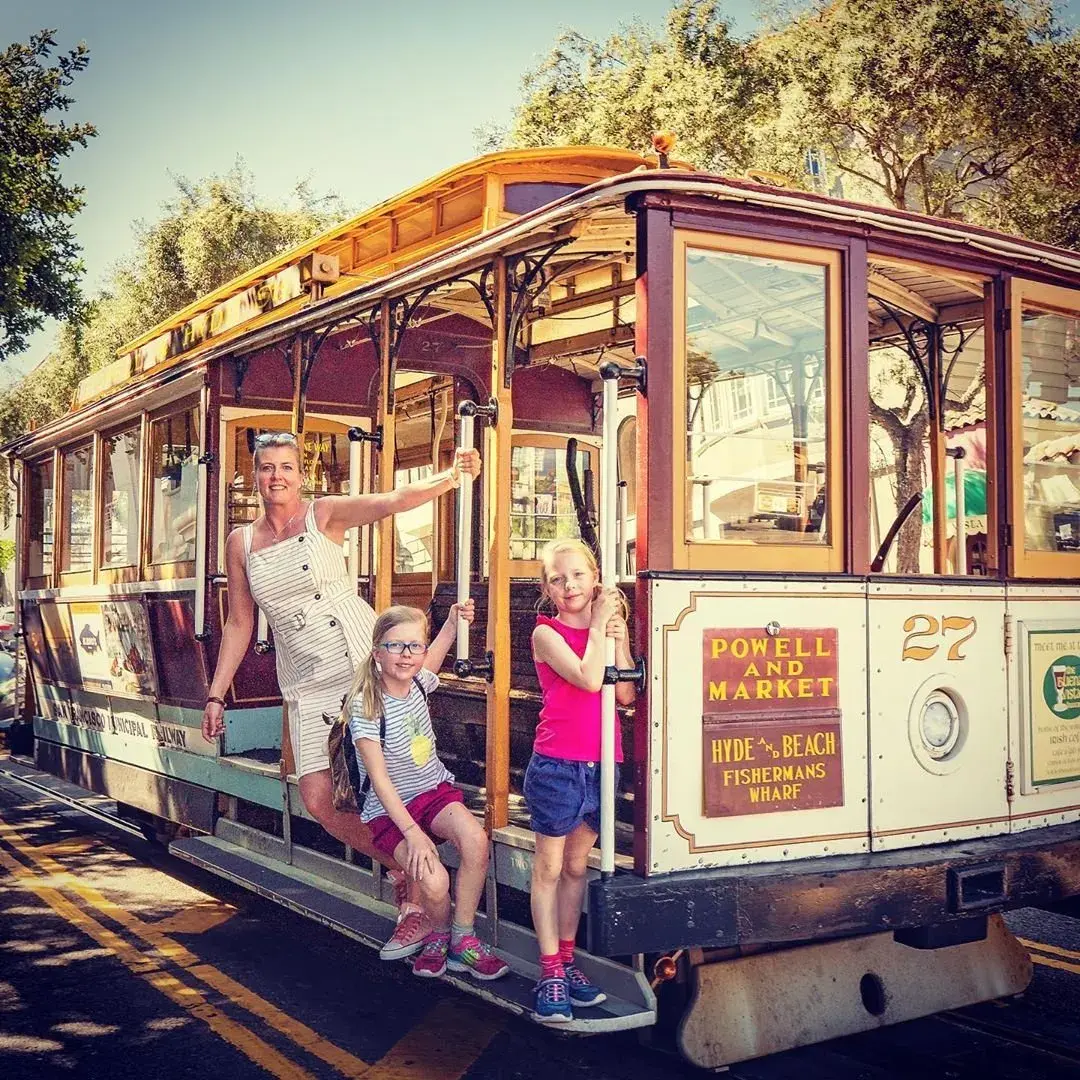
Plan Your San Francisco Cable Car Experience
How to Ride the Cable Cars
- Visitors must purchase a ticket to ride the cable cars, and must pay for each ride. Adults pay $9; seniors pay $4; children under age four ride for free. You can pay with exact change or via a Clipper card, debit card, credit card or digital wallet.
- There are designated cable car stops along each route. Line up and wait for the cable car to approach and come to a full stop. Be aware of your surroundings as you step from the curb; cable cars share the road with cars and buses. Listen to the cable car operator's instructions for where you may sit or stand. Payment will be collected after you board.
How to Avoid Big Crowds and Long Lines
The cable cars are understandably quite popular. Follow these inside tips to make sure there's time for them in your itinerary.
- Board at less popular stops. While the turnarounds and terminals of each cable car route might be convenient, they're often very crowded. Consider boarding at less frequented stops along the route. For example: hop on the Powell-Hyde or Powell-Mason lines at Powell and Sutter streets, just a few blocks north of the busy Market Street turn-around. Or, board the California Street line at Grant and California streets after a visit to Chinatown, rather than waiting in line at the Drumm Street terminal.
- Ride at less popular times. Mid-day (roughly 11:30 a.m. to 4:00 p.m.) is when most of your fellow visitors board the cable cars. For a more relaxed experience, consider starting or ending your day with a cable car ride instead. A nighttime ride on the California Street line heading downtown can be breathtaking, with the lights of the Bay Bridge shimmering ahead as you plunge down the hill. Just remember to bring an extra layer or two!
- Choose less popular routes. We don't like to play favorites, but the numbers don't lie: the Powell-Hyde and Powell-Mason lines are much more popular than the California Street line. If you're short on time and want to squeeze a cable car ride into your stay, try the California Street line.
What to Expect During Your Cable Car Ride
- Be a little patient. You will never be the only one waiting for a chance to board a cable car. Sometimes you may be waiting upwards of 30 minutes, particularly if you want to board at the Market Street turnaround of the Powell-Hyde and Powell-Mason lines. And if you were hoping to get somewhere in a hurry, the cable car isn't for you. Besides having to obey traffic signals and making frequent stops, the cable cars never move faster than nine-and-a-half miles per hour. So, chill out and enjoy the ride.
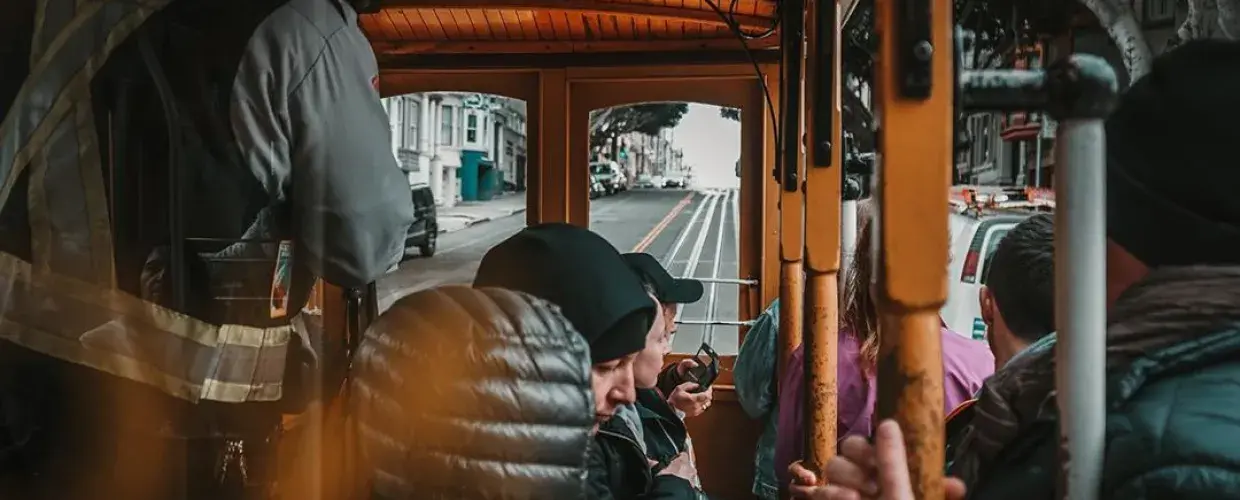
- Be willing to get cozy. The cable cars aren't very large, and operators won't be shy about asking you to squeeze in to make room for other riders. You may wind up having to stand for the duration of your ride. Just roll with it (no pun intended); you never know who you might meet or what you might learn while standing shoulder-to-shoulder with other eager visitors.
- Dress in layers. Visitors should be ready for a change in the weather no matter what they do in San Francisco, and riding the cable cars is no different. The cable cars are not fully enclosed, and even the parts that are won't be heated. If you were planning an evening ride, you'll probably get chilly. Have that trusty light jacket or hoodie with you when you board.
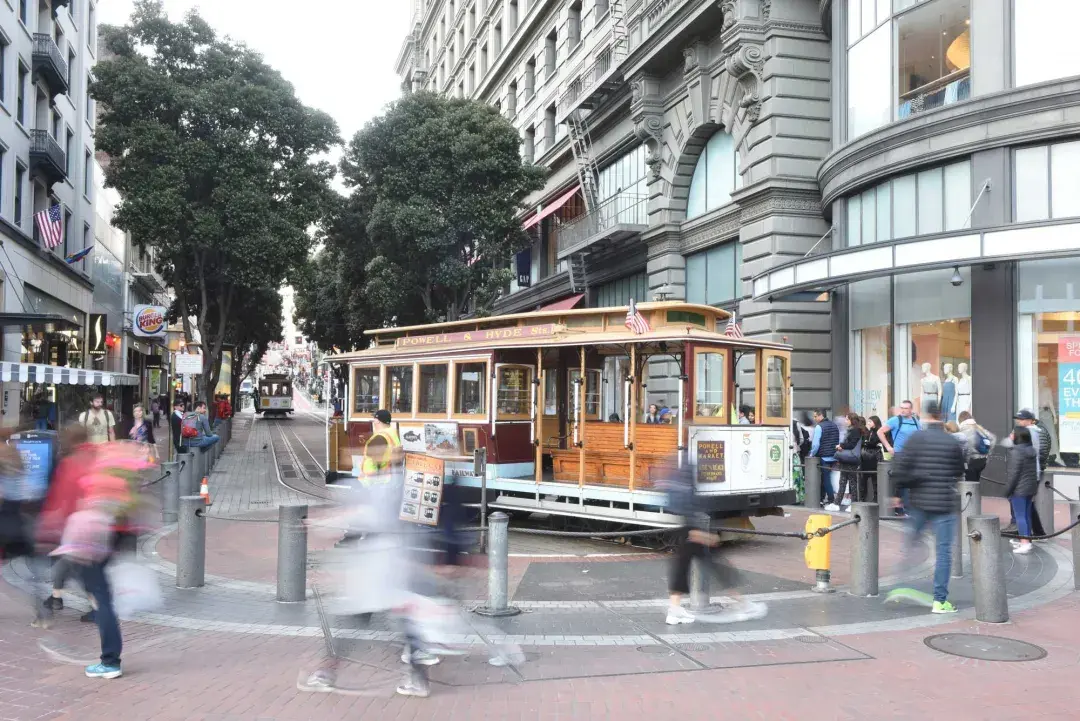
What's Near the Cable Cars
San Francisco's cable cars criss-cross the eastern half of the city, giving you easy access to some of San Francisco's most visited attractions and neighborhoods.
Union Square
Home to luxury shopping and half of San Francisco's theater district, Union Square is perhaps the most popular neighborhood for cable car riders. It's also home to a number of the city's hotels, meaning you might be able to step right out your door and be greeted by the clanging bell of the cable car.
Nob Hill
Arrive in style on Nob Hill by riding the cable car! Whether you're out for a fancy dinner, seeing a concert at The Masonic, or enjoying a nightcap at a historic hotel bar, Nob Hill offers great nightlife for visitors.
Chinatown
San Francisco's Chinatown is the largest and oldest such neighborhood in the nation. Filled with great restaurants, cute shops, and home to numerous annual festivals—none more awesome than the Chinese New Year Parade—Chinatown is a must for any visitor.
North Beach
For an unhurried day of espresso, vintage shopping, and decadent Italian dining, ride the cable car to North Beach. Visit such neighborhood landmarks as City Lights Books and Caffe Trieste to really absorb the history and flavor of the neighborhood.
Fisherman's Wharf
The perfect neighborhood for families, Fisherman's Wharf offers such attractions as the Aquarium of the Bay, the Musée Mécanique, and the USS Pampanito. There are also dozens of dining options, games and activities along PIER 39, and souvenir shops for that perfect memento of your stay. Bay cruises disembark from the Wharf, and you can get the best views from the SkyStar Observation Wheel.
Your Guide to the Powell-Mason Cable Car Line
Here’s everything you’ll need to know to have a great ride on the Powell-Mason Cable Car Line.
Learn More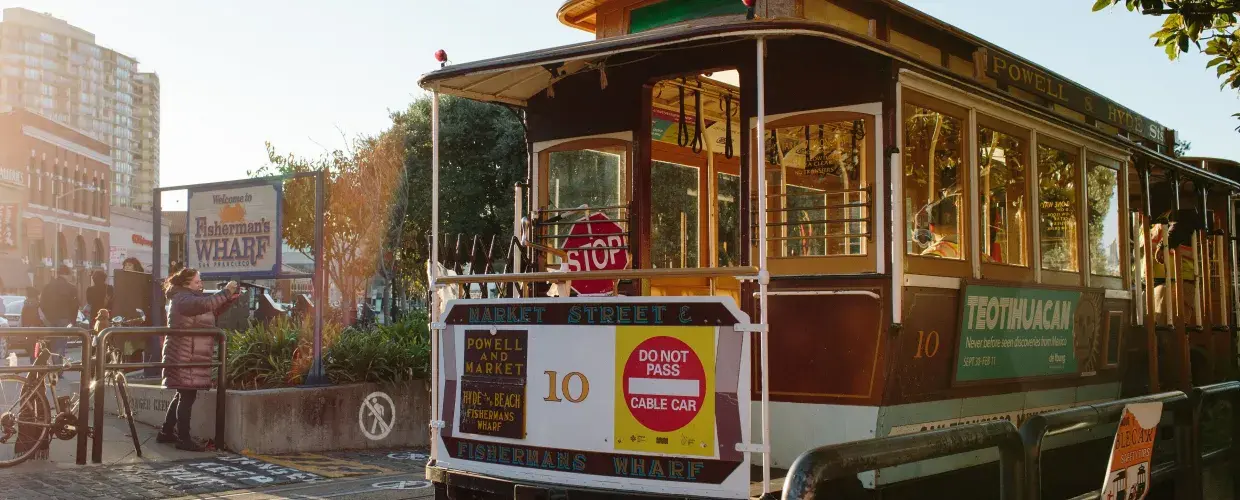
Your Guide to the Powell-Hyde Cable Car Line
Here’s everything you need to know to have a fun-filled ride on the Powell-Hyde Cable Car Line.
Learn More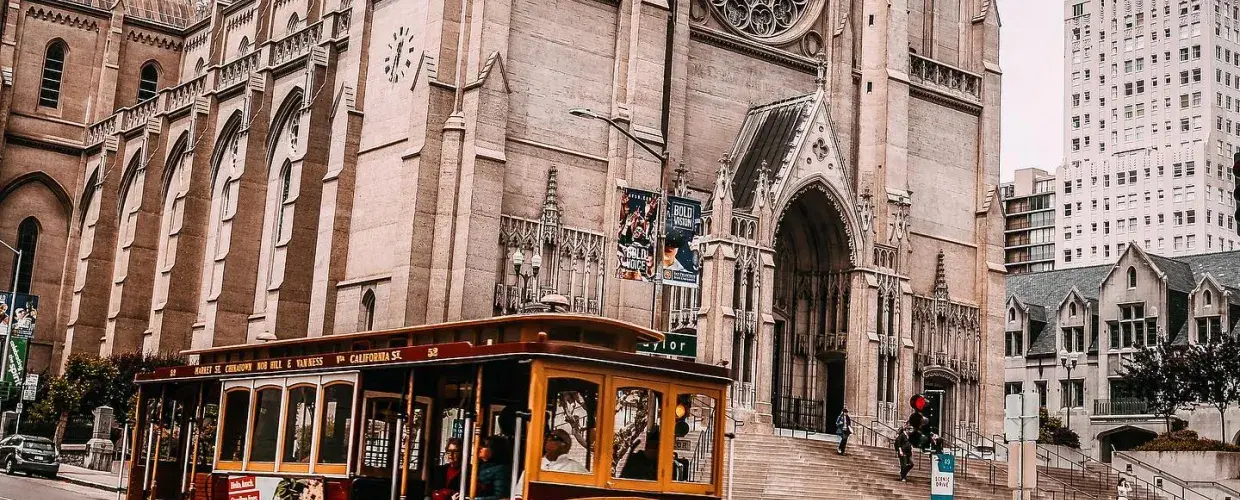
Your Guide to San Francisco's California Street Cable Car
Here is everything you need to know to have a memorable ride on one of the three cable car lines serving San Francisco.
Learn More
San Francisco
Iconic Attractions
Learn all about visiting San Francisco's most iconic landmarks and attractions, including insider tips, visitor info, and even some little-known-facts.
All SF Icons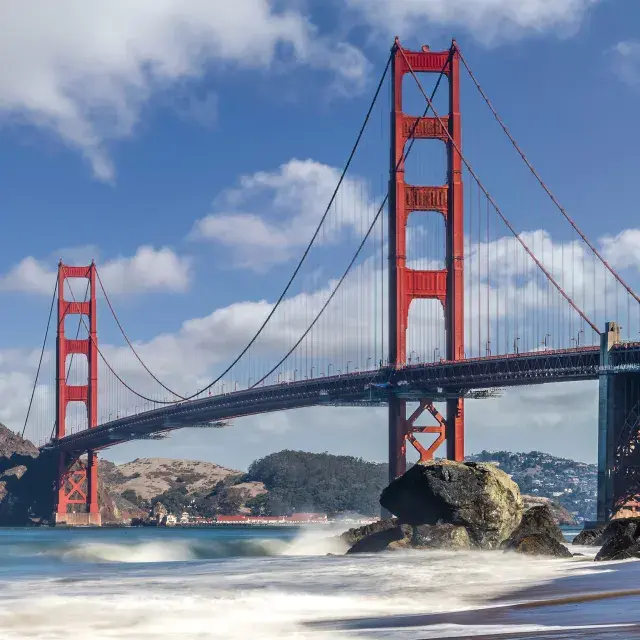
The Golden Gate Bridge is #1 on every visitor's list. Learn how to get there, info about the most photogenic times to visit, nearby neighborhoods, and more.

Alcatraz, a former prison, is now a national park and one of the city's most popular attractions. Learn all about visiting "The Rock."

If there's one part of town that visitors — both first-timers and many-timers — equate with San Francisco, it's Fisherman's Wharf.
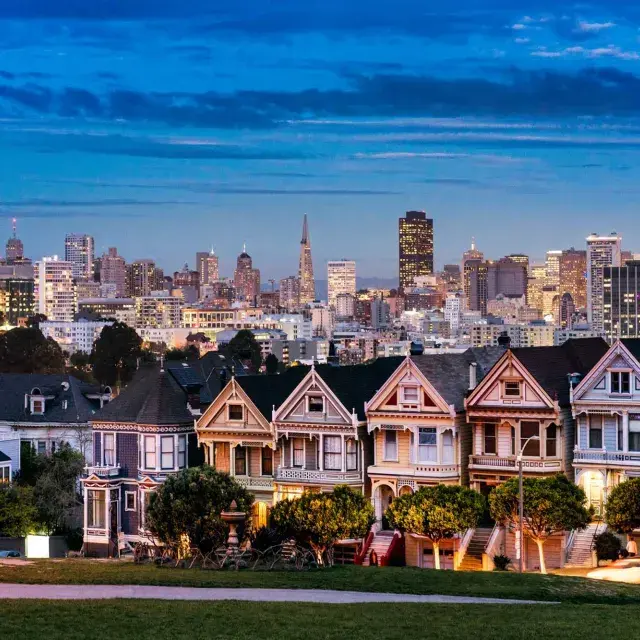
The Painted Ladies are the best-looking ladies in San Francisco, especially against that jaw-dropping backdrop. Here's how to find them, fun facts, and what to do in the...

Everything you needed to know about Lombard Street, “The Crookedest Street in the World," one of San Francisco's most famous sights.
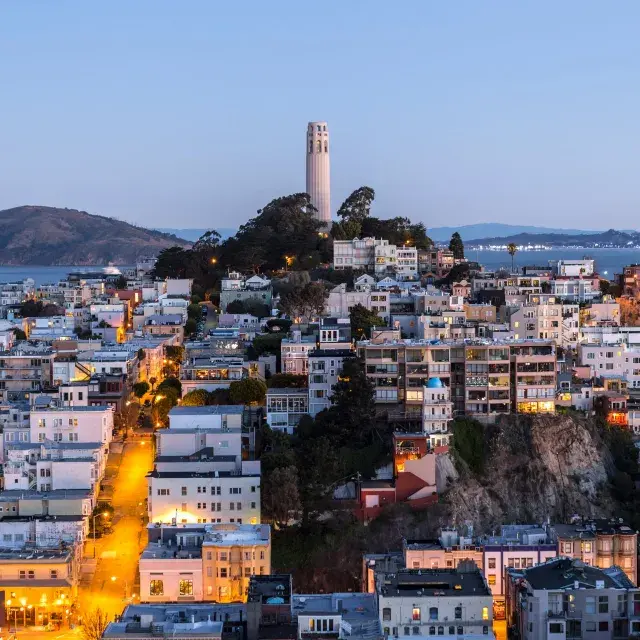
Coit Tower, a gift to the city, is unmistakable in the skyline. Learn about how to get there, the surrounding neighborhoods and fun facts.

Explore Our Visitor's Guide
Check out our free San Francisco Traveler visitor's guide and learn how to explore San Francisco like a local.