Neighborhoods Nightlife Landmarks Dining Events
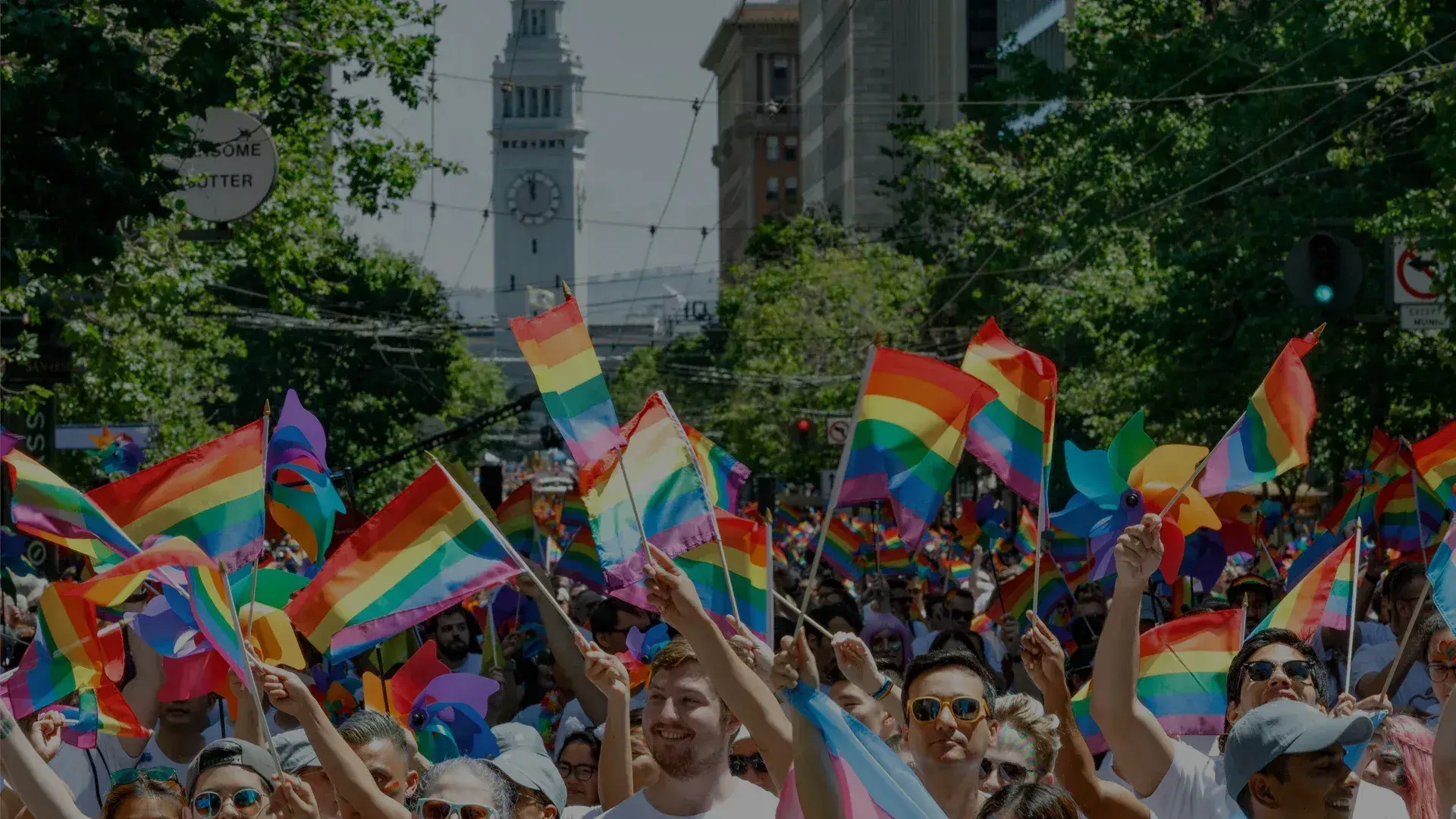
The San Francisco Travel Association, the city’s official destination marketing organization, invites you to discover a place where LGBTQ+ history, culture and community are part of everyday life. From the rainbow crosswalks of the Castro to the world’s first legally recognized transgender district, San Francisco offers landmark sites, celebrated nightlife, welcoming restaurants and an extraordinary calendar of queer events.
LGBTQ+
Neighborhoods to Explore
San Francisco’s queer culture extends well beyond a single neighborhood. Each district offers a distinct perspective on the city’s LGBTQ+ past and present.
The Castro
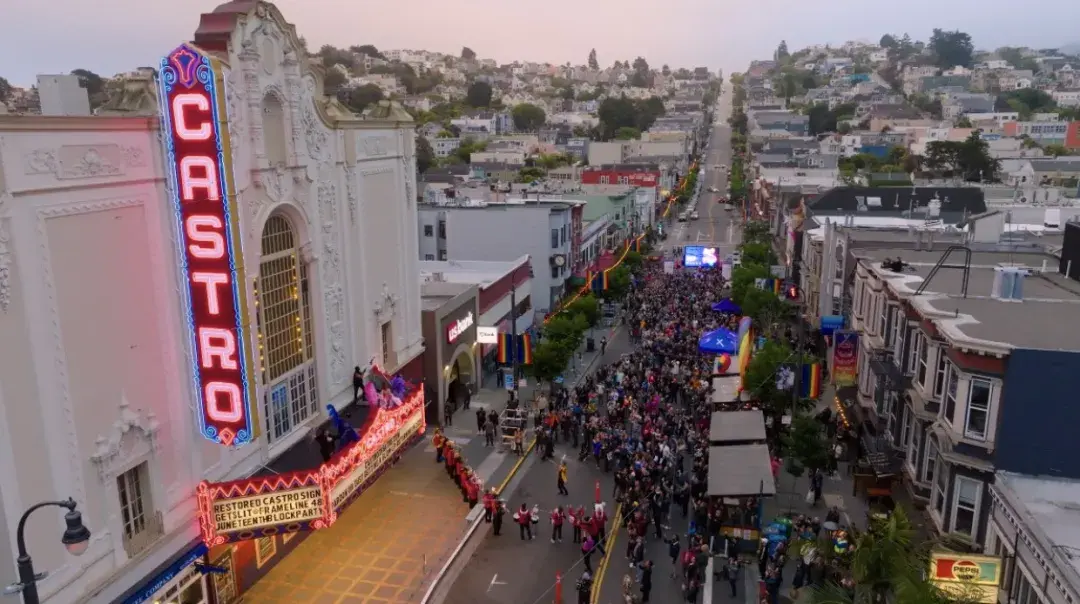
The Castro is the symbolic heart of LGBTQ+ San Francisco. Centered around Castro Street between Market and 19th streets, the neighborhood emerged as a center of gay political and cultural life during the 1970s. Harvey Milk, the first openly gay person elected to public office in California, operated Castro Camera here and organized residents and local businesses from the neighborhood.
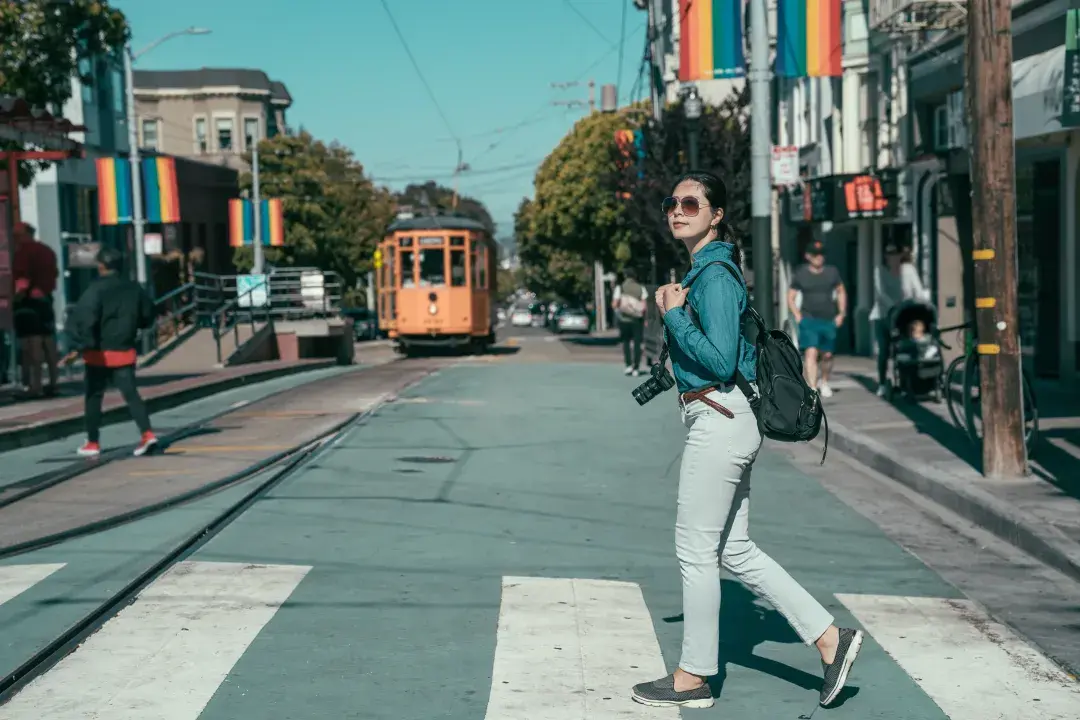
Today, the Castro remains a lively, walkable district filled with rainbow flags, independent shops, historic bars and community institutions. Its best-known sights include the rainbow crosswalks at Castro and 18th streets, the Rainbow Honor Walk and the landmark Castro Theatre, a recently renovated movie theater and performance venue that hosts concerts, comedy shows, drag extravaganzas, and more.
Start planning with our complete guide to the Castro.
The Mission and Dolores Park
The Mission District draws a diverse LGBTQ+ community with its murals, independent businesses, restaurants and nightlife. San Francisco's queer Latinx culture has deep roots in the neighborhood.
On sunny days, head to Mission Dolores Park. Its southwestern slope—often nicknamed “Gay Beach”—is a popular gathering place for picnics, music and skyline views. Arrive early on warm weekends, when the park fills quickly.

SoMa
Leather Culture and Nightlife
South of Market, commonly known as SoMa, has been a center of San Francisco’s leather, kink and alternative nightlife communities for decades. Former warehouses and industrial buildings now house bars, nightclubs and performance spaces known for experimental drag, dance parties and queer art.
The neighborhood is also home to the annual Folsom Street Fair and the Leather & LGBTQ Cultural District, which preserves and celebrates SoMa’s living cultural heritage.
The Tenderloin and the Transgender District
The Tenderloin holds a singular place in LGBTQ+ history. In August 1966, transgender women, drag queens and other patrons at Gene Compton’s Cafeteria resisted police harassment—three years before the Stonewall uprising. The resulting Compton’s Cafeteria riot is recognized as a pivotal moment in transgender civil rights history.
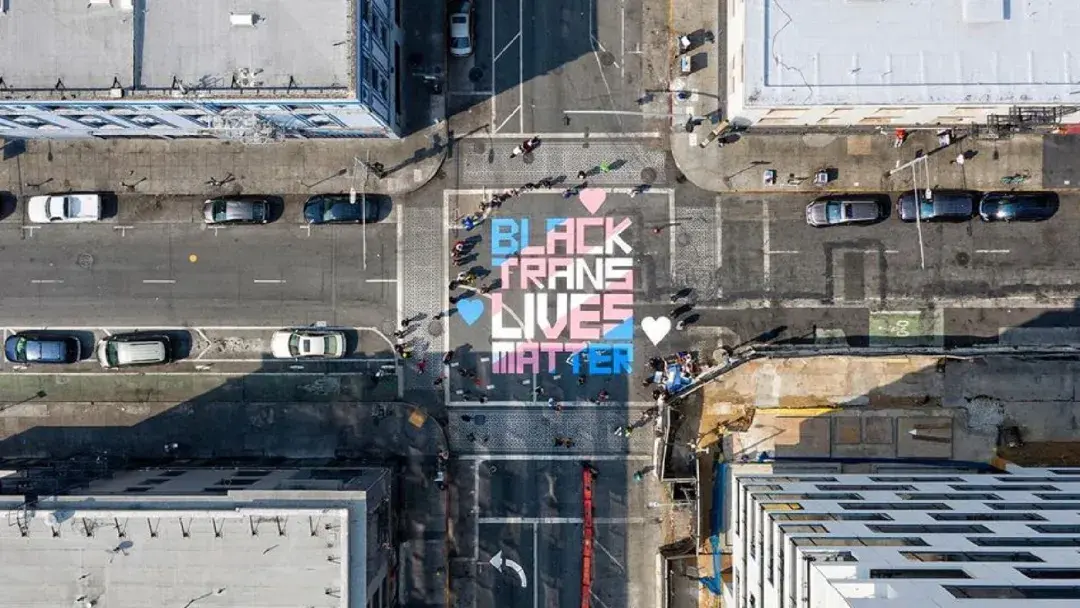
Established in 2017, The Transgender District is the first legally recognized transgender district in the world. Centered in the southeastern Tenderloin, it honors the neighborhood’s trans community through public art, cultural programming, economic development and advocacy.
Nightlife and Gay Bars
San Francisco’s LGBTQ+ nightlife ranges from historic neighborhood taverns to drag cabarets and late-night dance floors. Schedules, cover charges and admission policies can change, so check each venue’s current calendar before visiting.
- Twin Peaks Tavern — Opened in the Castro in 1972, Twin Peaks was among the first gay bars in the country to feature large, street-facing windows. The landmark tavern remains a relaxed place for conversation and a cocktail with a view of Castro and Market streets.
- The Mix — This casual Castro neighborhood bar is known for its patio, pool table and easygoing atmosphere.
- Midnight Sun — A Castro institution since 1971, Midnight Sun pairs music videos with cocktails, dancing and themed events.
- Toad Hall — A lively Castro bar with music, dancing, cocktails and an outdoor patio.
- Beaux — One of the Castro’s high-energy dance clubs, with DJs, go-go dancers, drag performances and themed nights.
- The Stud — This worker-owned cooperative in SoMa continues the legacy of one of San Francisco’s longest-running queer bars. Expect drag, performance art and genre-spanning dance parties.
- Oasis — A SoMa cabaret and nightclub known for drag productions, comedy, burlesque and exuberant queer performance.
LGBTQ+
Cultural Landmarks
San Francisco’s LGBTQ+ history is written into its sidewalks, plazas and public spaces. Visit these landmarks to understand the people and movements that helped transform the city—and the country.
GLBT Historical Society Museum
The GLBT Historical Society preserves one of the world’s most significant collections of LGBTQ+ archival materials. Its museum exhibitions examine queer life, politics, art and activism in San Francisco and beyond. Confirm the current exhibition location and hours before your visit.
Rainbow Honor Walk
The Rainbow Honor Walk is an outdoor installation of bronze sidewalk plaques honoring influential LGBTQ+ people from around the world. The plaques extend along Castro Street and nearby blocks, creating a self-guided walking tour through queer history.
Harvey Milk Plaza
Located above the Castro Muni station at Castro and Market streets, Harvey Milk Plaza is a gathering place dedicated to Milk’s life and legacy. His former camera shop and campaign headquarters stood nearby at 575 Castro St. The plaza continues to serve as a focal point for community commemorations and civic events.
Pink Triangle on Twin Peaks
Each June, volunteers install a massive pink triangle on the eastern slope of Twin Peaks. Visible from across the city, the installation reclaims a symbol once used to persecute gay men in Nazi concentration camps and transforms it into an expression of remembrance, resilience and pride.
Compton’s Cafeteria Riot Site
A sidewalk plaque at Turk and Taylor streets marks the former site of Gene Compton’s Cafeteria. The uprising there in August 1966 was one of the earliest documented acts of collective resistance by transgender and gender-nonconforming people against police harassment in the United States.
Queer-Owned and LGBTQ+
Friendly Dining
San Francisco’s culinary culture has long been intertwined with its LGBTQ+ community. Ownership and operating hours can change, so confirm details directly with each restaurant when planning your visit.
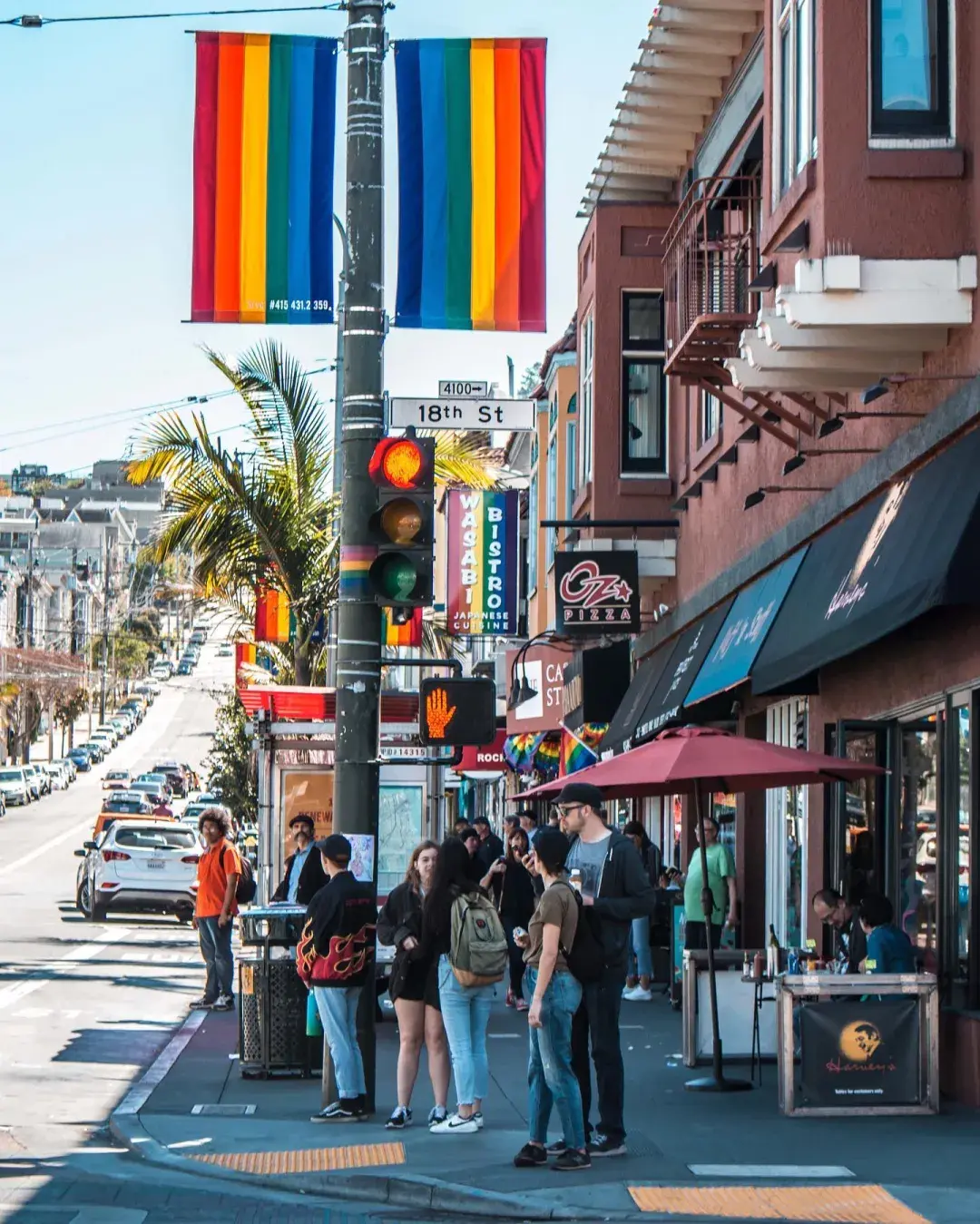
The Castro
Orphan Andy’s has served diner classics at the corner of 17th and Castro streets since 1977. Its red vinyl booths, neon sign and all-day breakfast menu make it a neighborhood institution, especially for a casual meal before or after exploring the Castro.
The surrounding blocks offer cafés, bakeries, restaurants and bars at nearly every price point. Castro Street and 18th Street are particularly convenient for combining dinner with a show or a night out.
The Mission
The Mission offers taquerias, cafés, bakeries, wine bars and destination restaurants alongside a strong queer creative community. Explore Valencia Street for dining and nightlife, then continue toward Dolores Park or the neighborhood’s colorful mural corridors.
SoMa
SoMa is a practical choice for dinner before a show at Oasis or a night at The Stud. Restaurants around Folsom, Harrison and 11th streets range from casual counter-service spots to cocktail bars and full-service dining rooms.
The Tenderloin
The Tenderloin has one of the city’s most diverse and affordable dining scenes, including Vietnamese, Thai, Middle Eastern and American comfort food. Dining in the neighborhood is an excellent way to support small businesses while exploring the Transgender District and nearby cultural sites.
LGBTQ+
Events Calendar
San Francisco hosts LGBTQ+ celebrations, film screenings, street fairs, marches and performances throughout the year. Dates below reflect the 2026 calendar; always confirm schedules with event organizers before making travel arrangements.
For more seasonal planning advice, see our guide to celebrating San Francisco Pride.
June 2026 — Pride Month
| Event | 2026 Dates | What to Expect |
| Frameline50: San Francisco International LGBTQ+ Film Festival | June 17–27, 2026 | Frameline celebrates its 50th anniversary with LGBTQ+ cinema, filmmaker appearances and special programs at venues around San Francisco. |
| San Francisco Pride Celebration and Parade | June 27–28, 2026 | The Civic Center celebration takes place over Pride weekend, with the parade traveling along Market Street on Sunday, June 28. |
| San Francisco Dyke March | June 27, 2026 | A community-led march traditionally preceded by a gathering at Mission Dolores Park. Check the organizer’s route and schedule before attending. |
| Pink Triangle on Twin Peaks | June 2026 | The annual installation is displayed during Pride season. Installation, lighting and commemoration times are announced separately by organizers. |
Book Early: Pride weekend is one of San Francisco’s busiest travel periods. Hotel demand rises sharply, and rates can increase as rooms sell out. Reserve accommodations several months in advance and consider neighborhoods outside downtown for additional choices. Browse San Francisco hotels and review cancellation terms before booking.
September and October 2026 — Major Street Fairs
| Event | 2026 Dates | What to Expect |
| Folsom Street Fair | September 27, 2026 | SoMa’s internationally known celebration of leather and kink culture features music, performances, community organizations and vendors. The event is intended for adults, and some content may not be suitable for children. |
| Castro Street Fair | October 4, 2026 | Founded by Harvey Milk in 1974, this community street fair brings local artists, merchants, performers and nonprofit organizations to the Castro. |
Get ready for the neighborhood celebration with our guide to the Castro Street Fair.
Year-Round and Recurring Events
- National Queer Arts Festival — Produced by the Queer Cultural Center, this multidisciplinary festival presents LGBTQ+ visual art, literature, music and performance. Dates and venues vary.
- Drag Me Downtown — A recurring performance series that brings drag artists to downtown venues and public spaces. Check the current schedule for dates and locations.
- Weekly drag brunches — Restaurants and entertainment venues throughout the Castro, SoMa, the Mission and downtown regularly host weekend drag brunches. Reservations are strongly recommended.
- Film, theater and museum programs — LGBTQ+ screenings, exhibitions, author events and stage productions take place throughout the year at cultural institutions around the city.