Why San Francisco Is One of America's Best Cities for Arts & Culture
SF boasts top museums, historic performing arts, Mission District murals, and distinct cultural neighborhoods—making it a leading arts city.
San Francisco has long been recognized as a cultural capital. The city holds more museums per capita than any West Coast city, supports more than 200 dance organizations, and is home to the War Memorial Opera House (the first civic opera house in the United States). From world-class painting collections and boundary-pushing contemporary art to a performing arts ecosystem that rivals those of cities twice its size, San Francisco layers culture into nearly every neighborhood. This guide highlights the institutions, streets, and districts that make the case for San Francisco as one of the best cities for arts and culture in America, and connects you to deeper resources across San Francisco Travel's arts and culture content so you can plan your own itinerary.
World-Class Museums
San Francisco's museum landscape is remarkably deep for a city of roughly 800,000 residents. Whether your interests lean toward modern masterworks, ancient Asian ceramics, or European painting, the city's major institutions deliver — and many of them offer free or discounted admission on select days. See San Francisco Travel's museums guide for planning details and current schedules.
SFMOMA
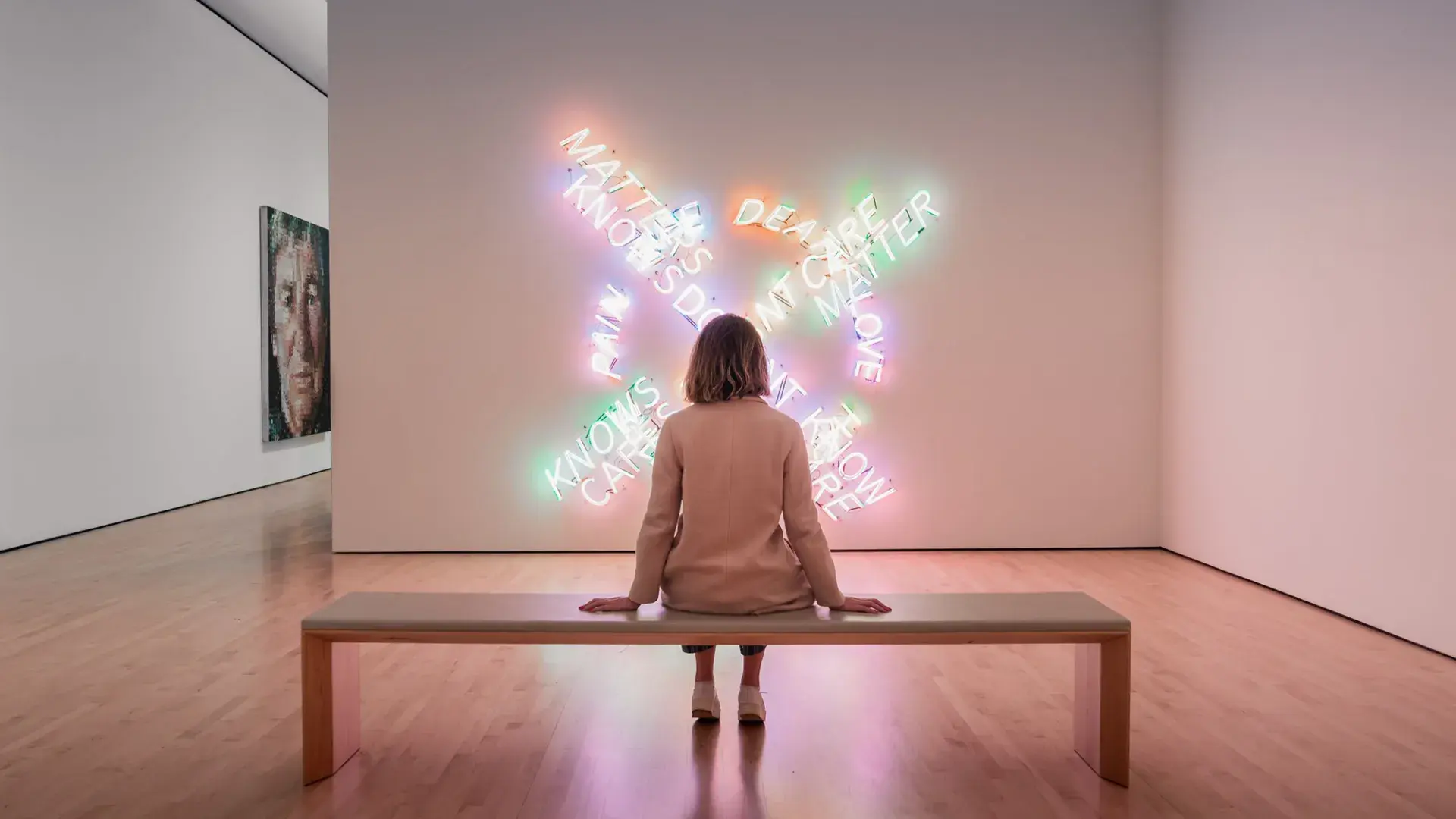
The San Francisco Museum of Modern Art anchors the city's visual arts scene. SFMOMA spans seven floors and more than 170,000 square feet of gallery space. Its permanent holdings include one of the nation's strongest collections of photography, major works by Alexander Calder and Richard Serra, and the Fisher Collection, one of the most significant private troves of postwar and contemporary art ever assembled. Floors dedicated to media arts and architecture keep the programming forward-looking, while rotating exhibitions consistently draw national attention.
De Young Museum
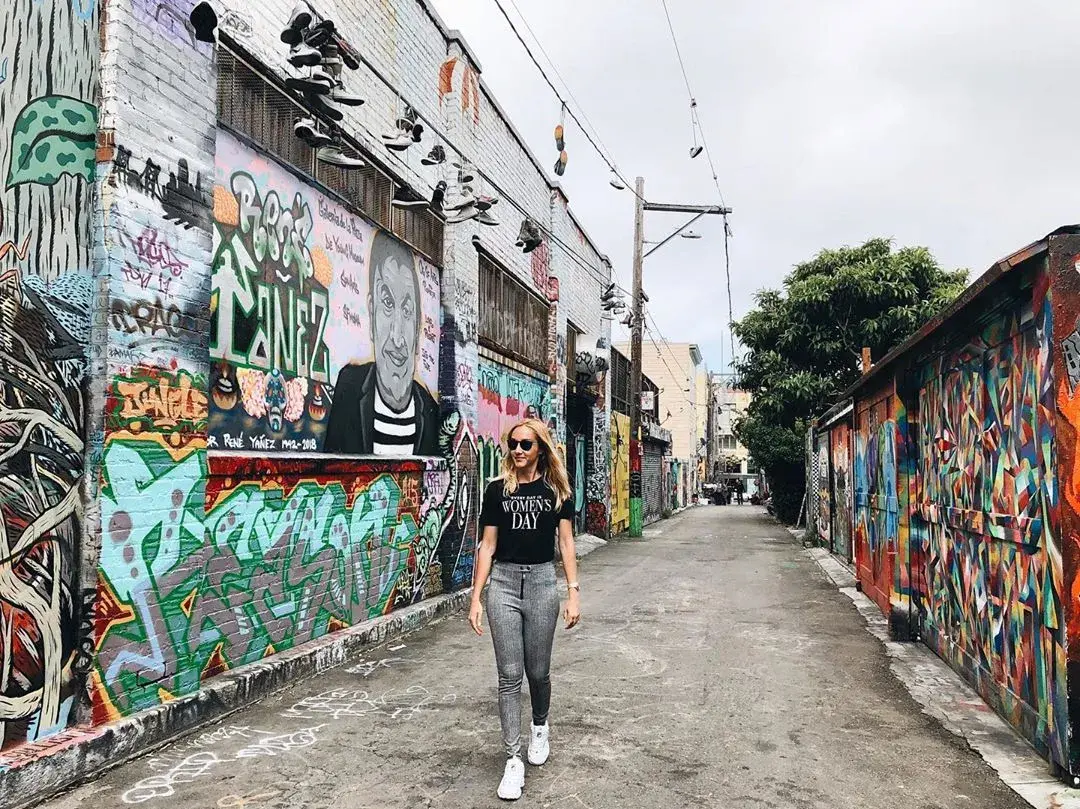
Set inside Golden Gate Park, the de Young Museum is the city's encyclopedic art institution, spanning American painting, textile arts, and art from Africa, Oceania, and the Americas. Its copper-clad Herzog & de Meuron building is itself a landmark, and the Hamon Observation Tower offers free panoramic views of the park and the Pacific.
Asian Art Museum
Directly across from City Hall, the Asian Art Museum holds one of the most comprehensive collections of Asian art in the Western world; more than 18,000 objects spanning 6,000 years and the cultures of the entire continent. Recent contemporary commissions and a new pavilion have sharpened its relevance for visitors who think they already know the collection.
Legion of Honor
Perched above the Pacific in Lincoln Park, the Legion of Honor is a Beaux-Arts gem housing European painting, sculpture, and decorative arts from the medieval period through the early twentieth century. Rodin's The Thinker greets visitors in the courtyard. The de Young and the Legion of Honor are operated by the Fine Arts Museums of San Francisco, which offers combined-ticket pricing for both venues.
Free-Admission Days and Tips
Many of San Francisco's museums offer free or reduced-price admission on a rotating schedule:
| Museum | Free Admission Details |
|---|---|
| SFMOMA | Free for visitors 18 and under |
| De Young Museum | Free first Tuesdays of the month |
| Asian Art Museum | Free first Sundays of the month |
| Legion of Honor | Free first Tuesdays of the month |
Check each museum's website for current schedules, as dates can shift seasonally. Explore more options on San Francisco Travel's museums guide.
Performing Arts
San Francisco's performing arts institutions are among the oldest and most accomplished in the western United States, and the city's compact geography means you can attend a ballet matinee and a jazz set on the same evening without ever getting in a car. For calendars and ticketing, see San Francisco Travel's performing arts page.
San Francisco Ballet
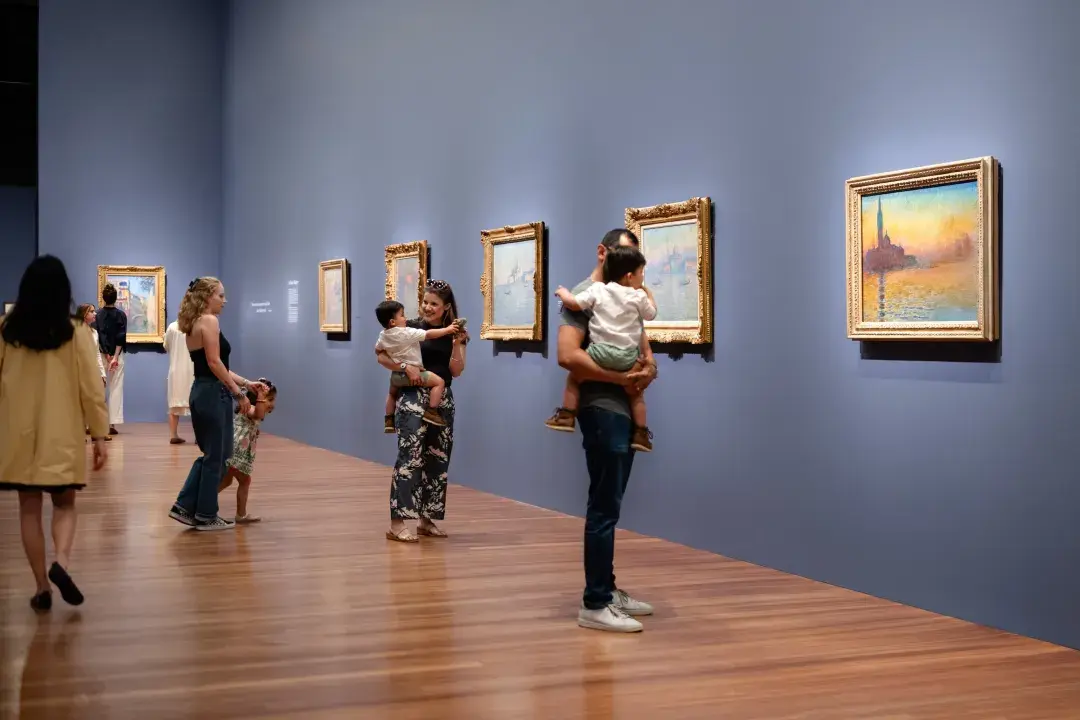
Founded in 1933, San Francisco Ballet is the oldest professional ballet company in America. Its annual season at the War Memorial Opera House runs from January through May and is anchored by a celebrated Nutcracker each December.
San Francisco Symphony
Under the baton of music director Elim Chan, the San Francisco Symphony performs at Louise M. Davies Symphony Hall and has earned more than a dozen Grammy Awards. The orchestra's programming ranges from core repertoire to film scores and new commissions, with a robust summer series that opens the concert experience to broader audiences.
San Francisco Opera
San Francisco Opera was the first municipal opera company in the country and continues to stage ambitious productions in the 3,146-seat War Memorial Opera House. Seasonal highlights include outdoor simulcasts — notably Opera at Oracle Park, which brings free live broadcasts of full productions to the city's waterfront ballpark.
American Conservatory Theater (ACT)
ACT is San Francisco's flagship resident theater company, producing a mix of new works, reimagined classics, and premieres at the historic Toni Rembe Theater and the more intimate Strand Theater in Mid-Market.
SFJAZZ
SFJAZZ Center, which opened in 2013 in Hayes Valley, is the only standalone jazz center in the nation, built specifically for jazz performance and education. Its intimate, acoustically refined hall hosts year-round programming from both established legends and emerging artists, cementing San Francisco's role in the national jazz conversation.
For a broader look at the city's live performance calendar, visit San Francisco Travel's performing arts page.
Street and Public Art
San Francisco's creative energy isn't confined to galleries and concert halls. The city's outdoor murals, public sculptures, and guerrilla art installations make culture part of the daily streetscape — and most of it is free to experience. San Francisco Travel's public art trail highlights all of it across many neighborhoods.
The Mission District Murals
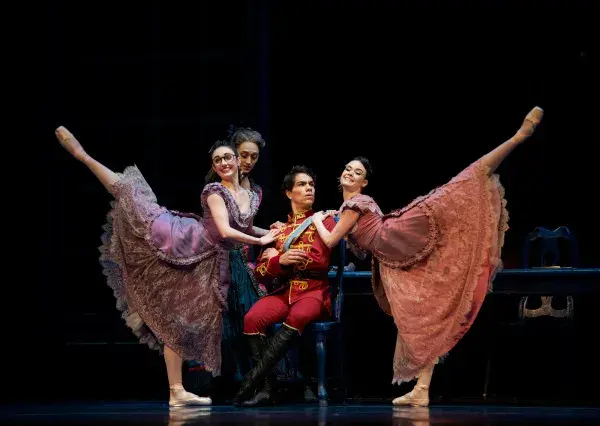
The Mission District is the epicenter of San Francisco's mural tradition, a movement rooted in the Chicano civil rights era of the 1970s and still evolving today. Two walkable corridors stand out:
- Balmy Alley — A single block between 24th and 25th Streets lined with dozens of murals addressing immigration, gentrification, indigenous rights, and community identity. The alley has been continuously painted and repainted since 1984, making it a living archive of neighborhood concerns.
- Clarion Alley — Located between Mission and Valencia Streets near 17th, this corridor is managed by the Clarion Alley Mural Project and features rotating works by local and international artists. The tone is often more experimental and politically charged than Balmy Alley.
Both alleys are free to visit and best explored on foot. For a self-guided walking route and background on individual works, see San Francisco Travel's Mission murals guide.
Beyond the Mission, public art appears citywide — from the sculptural installations along the Embarcadero waterfront to community-painted utility boxes in the Sunset District. San Francisco Travel's public art page maps additional highlights worth seeking out.
Cultural Neighborhoods
San Francisco's arts institutions cluster into distinct corridors, each with its own personality. Three neighborhoods form the backbone of the city's cultural geography.
Civic Center
The Civic Center is San Francisco's institutional arts core. The War Memorial Opera House, Davies Symphony Hall, the Asian Art Museum, and the main branch of the San Francisco Public Library all sit within a few blocks of City Hall.
Hayes Valley
Walk west on Hayes Street and the mood shifts to the boutique-lined blocks of Hayes Valley, where SFJazz Center anchors a stretch of independent galleries, design shops, and restaurants that cater to pre- and post-show crowds. This corridor makes it easy to build an entire evening around the arts without needing transit.
The Mission
Beyond its murals, the Mission District supports a dense ecosystem of artist-run galleries, community theaters, independent bookstores, and live music venues. Spaces like the Roxie Theater, one of the oldest continuously operating cinemas in the country, and Galería de la Raza contribute to a neighborhood culture that remains fiercely local even as the surrounding blocks evolve.
SoMa and Yerba Buena
South of Market is where San Francisco's cultural and tech economies physically overlap. SFMOMA, the Yerba Buena Center for the Arts, and the Museum of the African Diaspora all sit within the Yerba Buena Gardens complex or just steps away. The neighborhood also houses ACT's Strand Theater and a growing number of artist studios in converted warehouse spaces.

Frequently Asked Questions
Louis is the Director, Web at the San Francisco Travel Association. Originally from France, he's lived in San Francisco since his early childhood. A web developer by day and concert photographer at night, he can be found shooting live shows throughout the city on any given night. On his downtime, Louis enjoys surfing at his local beach break of Ocean Beach, a place he's called home for over a decade now.
You May Also Like
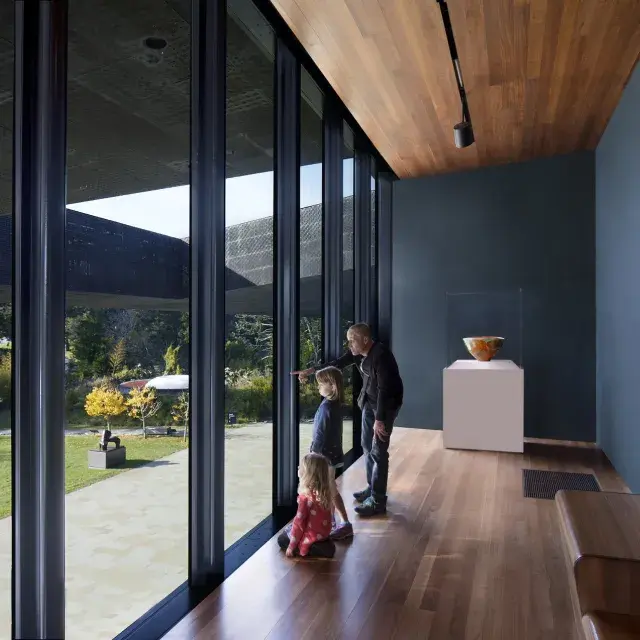
World-class aquariums, interactive science exhibits, and diverse art collections make San Francisco’s museums a must for any visitor.

Looking for a curated cannabis experience? Look no further than Posh Green, a new boutique by San Francisco local Reese Benton.
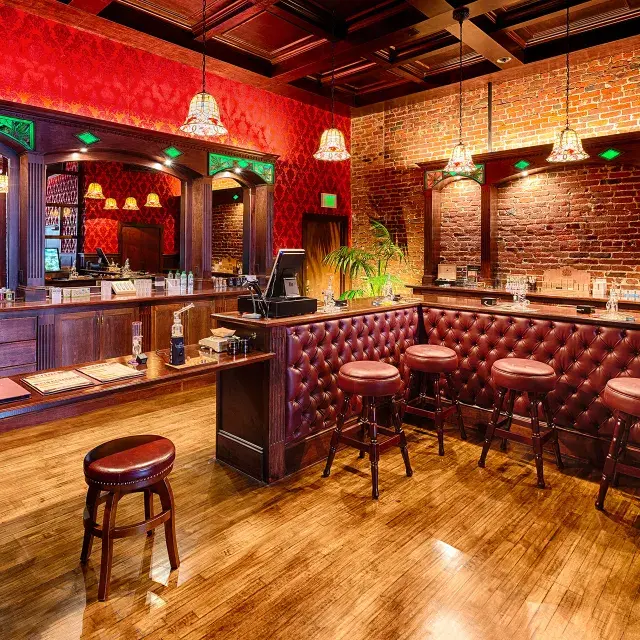
Explore these San Francisco dispensaries bringing a new emphasis on style to the cannabis experience.
Some of San Francisco's hottest nightlife can be found in its incredible museums. Find out more!
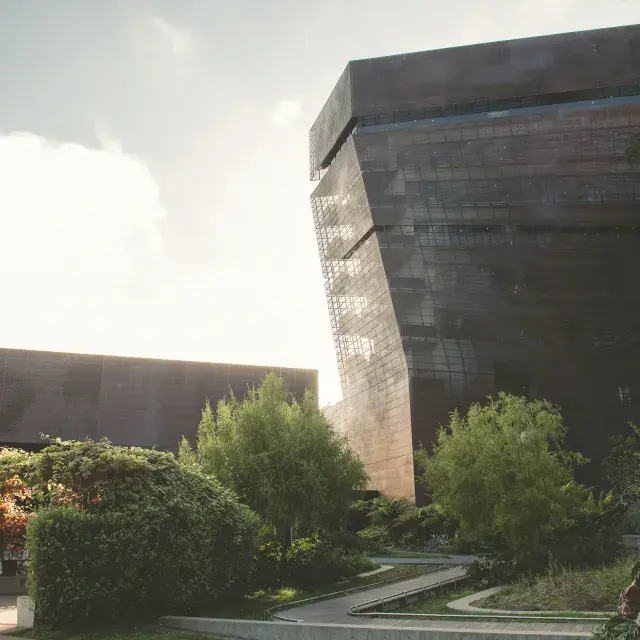
Looking for a cultural experience in San Francisco? Visit the de Young Museum and be amazed by its stunning art collections. Start planning your trip now!

San Francisco's shopping scene is accessible to all. Here are some of our favorite places around the city to shop.
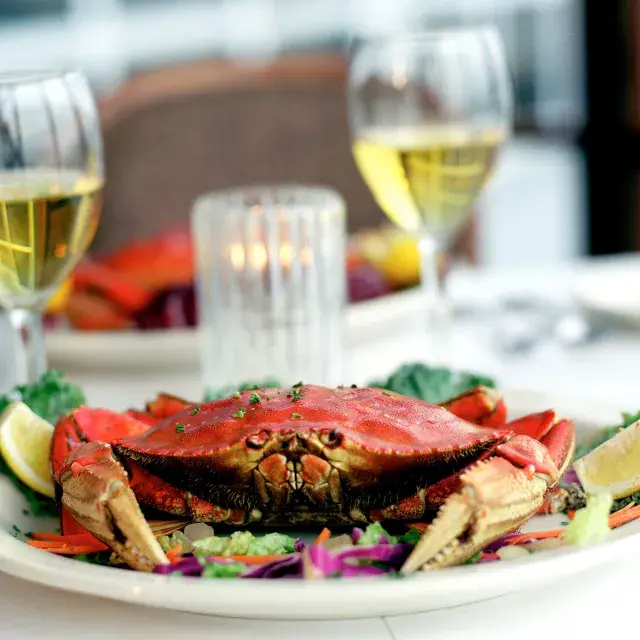
Did you come to San Francisco just to eat? Don't be embarrassed; this is what San Francisco is famous for!

San Francisco's cannabis scene is a trip. Learn about the city's cannabis history and how we are home to innovative cannabis experiences.
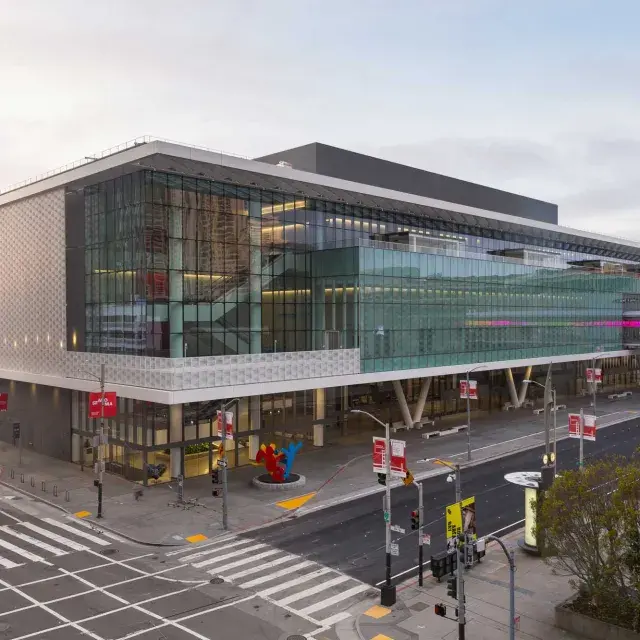
Get the fast facts on San Francisco's largest, greenest, and newly renovated convention venue, The Moscone Center