
Three-Day Trip to San Francisco: Your Essential Itinerary
From bridge views to Alcatraz cells, dim sum to Mission burritos, here's a day-by-day plan covering the San Francisco essentials.
A three-day trip San Francisco gives first-time visitors enough time to experience the city's iconic landmarks, diverse neighborhoods, and world-class dining without feeling rushed. This itinerary covers the Golden Gate Bridge, Alcatraz, Chinatown, Fisherman's Wharf, and the Mission District—the essential experiences that define San Francisco for newcomers. With smart planning and advance bookings for key attractions, it strikes the ideal balance between comprehensive exploration and a manageable pace.
Who Is This San Francisco Itinerary For?
This three-day itinerary is built for first-time visitors who want to hit the must-see landmarks without missing the neighborhood gems that make the city special.
The itinerary assumes you're comfortable with moderate walking; most days involve 3 to 5 miles on foot across varied terrain, including some hills. That said, every section includes transit alternatives and pacing adjustments for those who prefer a gentler approach. Families traveling with children will find kid-friendly options woven throughout, while visitors seeking accessibility can rely on the city's robust public transit network to bypass steeper climbs.
What to Book Before Your San Francisco Trip
Alcatraz tickets are the single most important advance booking for any San Francisco itinerary. Ferries to the island frequently sell out weeks, sometimes months, ahead, especially during summer and holiday periods. Book your Alcatraz tickets as soon as your travel dates are confirmed, ideally 60 to 90 days in advance. Morning departures offer the best weather and smaller crowds, while night tours provide a uniquely atmospheric experience for those who can secure tickets.
BOOK YOUR ALCATRAZ TICKETS NOW
Beyond Alcatraz, consider booking the following before you arrive:
- Popular restaurant reservations: San Francisco's dining scene rewards advance planning. If a specific restaurant is on your must-visit list, book two to four weeks ahead.
- San Francisco tours: Guided walking tours of neighborhoods like Chinatown or the Mission fill up quickly, especially on weekends.
For visitors planning to hit multiple paid attractions, our attraction passes bundle admission to popular sites at a discount. These passes can simplify your planning while reducing overall costs, which is particularly valuable for families or groups.
Day 1:
Golden Gate Bridge, Presidio, and Fisherman's Wharf
Start your first morning at the Golden Gate Bridge, arriving early to beat the crowds and catch the bridge before afternoon fog rolls in. The pedestrian walkway on the east side offers the classic views you've seen in photographs, with the city skyline behind you and Marin County ahead. Allow 45 minutes to an hour to walk halfway across and back, stopping at the vista points for photos.
From the bridge, make your way into the Presidio, a former military post transformed into a 1,500-acre national park. The Presidio offers forested trails, historic buildings, and stunning bay views. Stop at the Main Post for coffee and orientation, then walk or take the free Presidio shuttle to Crissy Field, where the waterfront path delivers postcard-perfect bridge views from a different angle. Kids will get a kick out of the rolling hills and excellent playground found at the Presidio's Tunnel Tops.
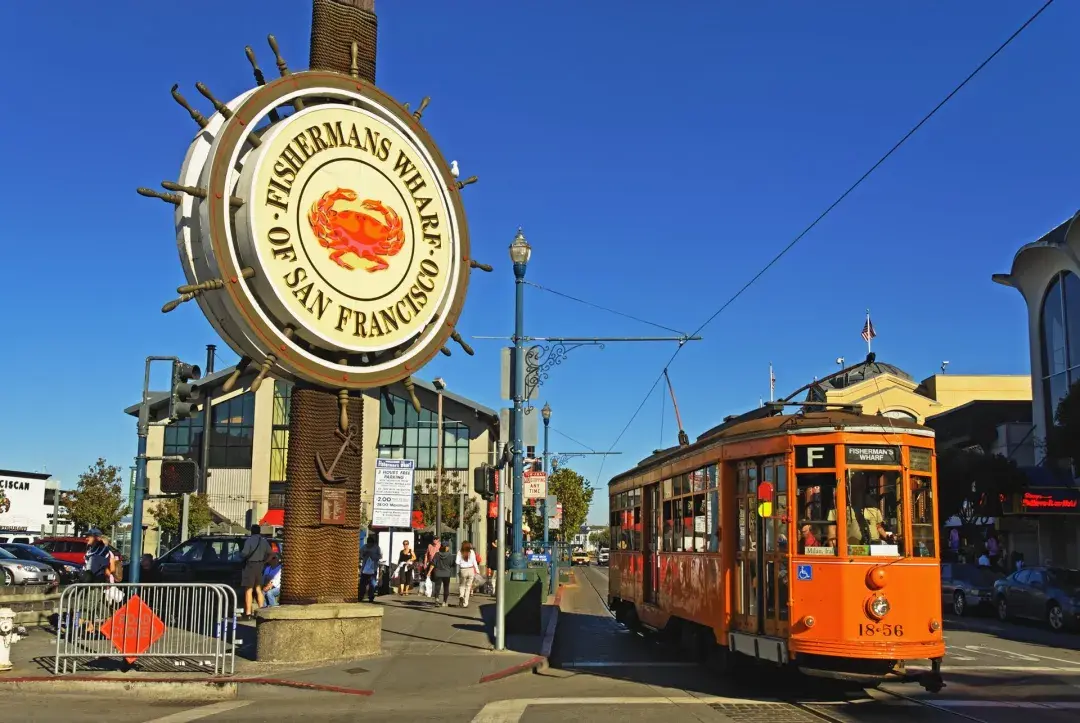
Continue east along the waterfront toward the Marina District and eventually Fisherman's Wharf. First-time visitors should embrace the clam chowder in sourdough bread bowls, watch the sea lions lounging at PIER 39, and browse the waterfront shops. This is quintessential San Francisco, and skipping it means missing a genuine piece of the city's character.
End your first day with dinner at the Wharf area or nearby North Beach. The seafood restaurants along Jefferson Street range from casual counter service to sit-down dining with bay views. For families, the interactive exhibits at the Aquarium of the Bay make a solid late-afternoon addition before dinner.
Day 2:
Alcatraz, Chinatown, and North Beach
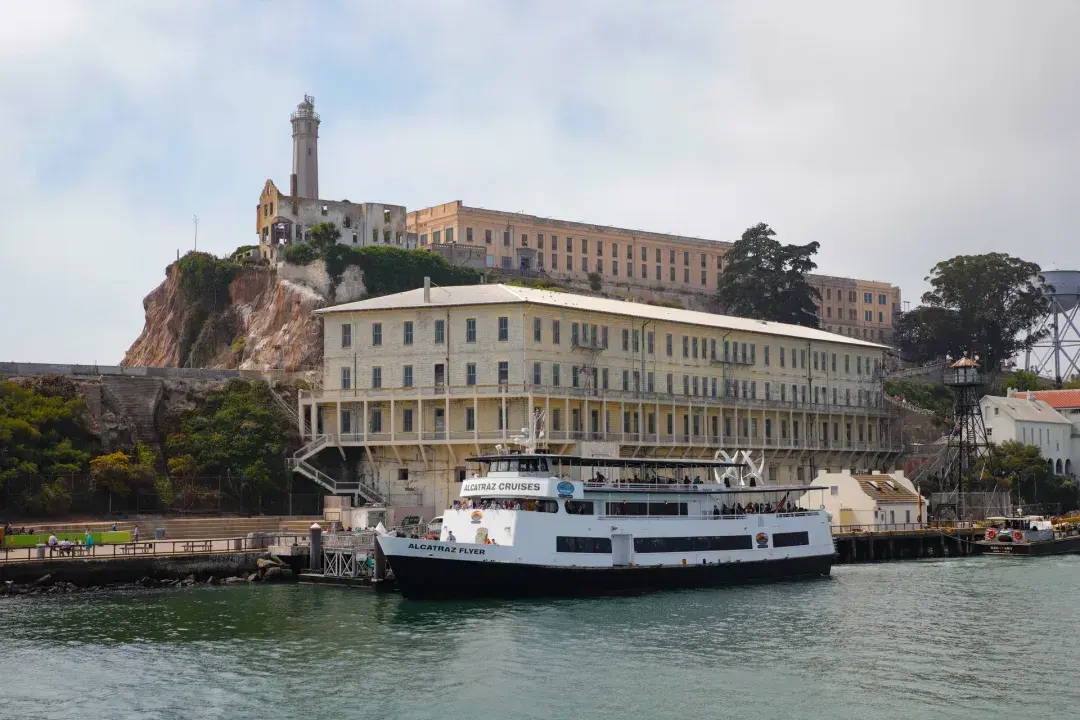
Day 2 centers on your pre-booked Alcatraz ferry, so build your morning around your departure time. Most visitors find the morning ferries ideal—you'll have better light for photography and more energy for the island's hilly terrain. The ferry departs from Pier 33, a short walk from Fisherman's Wharf, and the crossing takes about 15 minutes.
On Alcatraz, the award-winning audio tour is included with admission and brings the former federal penitentiary to life through firsthand accounts from guards and inmates. Budget two to three hours on the island to explore the cell house, recreation yard, and gardens at a comfortable pace. The views back toward the city are spectacular, so keep your camera handy.
After returning to the mainland, head to Chinatown for a late lunch. San Francisco's Chinatown is the oldest in North America and remains one of the most vibrant, with dim sum houses, herbal shops, and bakeries packed into a few dense blocks. Enter through the Dragon Gate on Grant Avenue and wander the side streets. Waverly Place and Ross Alley offer more authentic atmosphere than the main corridor.
From Chinatown, walk north into North Beach, San Francisco's Italian neighborhood. The transition happens gradually; suddenly, the bakeries sell cannoli instead of egg tarts, and espresso bars replace tea shops. North Beach is ideal for an early evening aperitivo or a leisurely dinner at one of the neighborhood's trattorias. If you have energy remaining, climb Telegraph Hill to Coit Tower for sunset views over the bay.
For visitors who want an alternative bay experience, Angel Island offers hiking trails and immigration history just a short ferry ride away—though fitting it into a three-day itinerary requires swapping it for Alcatraz rather than adding it.
Day 3:
Lombard Street, Union Square, and the Mission
Your final day explores San Francisco's contrasts, from the manicured curves of Lombard Street to the colorful murals of the Mission District. Start at Lombard Street, the famously crooked block that draws visitors from around the world. Arrive before 10 a.m. to photograph the flower-lined switchbacks without crowds blocking your shot. Walk down the stairs alongside the street rather than driving—you'll get better views and avoid the traffic backup.
From Lombard, make your way to Union Square, the city's downtown shopping and theater hub. The square itself is a pleasant place to grab coffee and people-watch, while the surrounding blocks offer everything from flagship department stores to boutique shops. This is also cable car territory—the Powell-Hyde and Powell-Mason lines both terminate near Union Square, making it easy to catch a ride.
After lunch, head to the Mission District for a completely different San Francisco experience. The Mission is the city's Latin heart, home to legendary burritos, independent bookstores, and one of the most impressive collections of public murals in the country. Balmy Alley and Clarion Alley showcase decades of street art addressing themes from immigration to gentrification to pure visual joy.
End your San Francisco trip with dinner in the Mission. The neighborhood's dining scene ranges from no-frills taquerias to innovative California cuisine, with plenty of options for every budget and preference.

Getting Around San Francisco
Public transit is the smartest way to navigate San Francisco during a three-day visit. The Muni system—buses, light rail, and historic streetcars—reaches virtually every neighborhood, while BART connects the airport to downtown and the East Bay. Both Muni and BART services now feature tap-to-pay, allowing you to pay your fare with the digital payment method of your choice.
Cable cars deserve special mention because they're both practical transit and a must-do San Francisco experience. The Powell-Hyde line runs from Union Square to Fisherman's Wharf, passing through some of the city's steepest hills with views that justify the fare. Treat at least one cable car ride as an attraction rather than just transportation.
Rideshare services remain widely available throughout the city. In 2026, visitors can also experience Waymo's autonomous vehicles, which operate in San Francisco and offer a genuinely novel way to get around. Hailing a driverless car through the Waymo app has become a San Francisco experience in itself.
A rental car is unnecessary for this itinerary and often counterproductive. Parking is expensive and scarce, traffic can be frustrating, and the city's compact size makes driving less efficient than walking and transit for most trips. Save the rental car for day trips outside the city if you extend your stay.

Where to Stay for Your 3 Day San Francisco Itinerary
The best neighborhood for your stay depends on your priorities, but most first-time visitors benefit from a central location that minimizes transit time to major attractions.
Union Square puts you in the geographic and transit center of the city. Hotels here range from budget-friendly to luxury, and you'll have easy access to cable cars, BART, and Muni lines running in every direction. The tradeoff is a busier, more commercial atmosphere.
Fisherman's Wharf works well for families and visitors who want to be steps from waterfront attractions. You'll wake up close to Alcatraz ferries and PIER 39, though you'll need transit to reach neighborhoods like the Mission or Chinatown.
For budget-conscious travelers, our guide on how to visit San Francisco on a budget includes accommodation strategies that stretch your dollar without sacrificing location or comfort.

Frequently Asked
Questions
You've asked; we've answered. Find out the fast facts on planning a three-day visit to San Francisco.

Louis is the Director, Web at the San Francisco Travel Association. Originally from France, he's lived in San Francisco since his early childhood. A web developer by day and concert photographer at night, he can be found shooting live shows throughout the city on any given night. On his downtime, Louis enjoys surfing at his local beach break of Ocean Beach, a place he's called home for over a decade now.
You May Also Like

Exploring San Francisco’s vibrant neighborhoods by bike is a breeze with Bay Wheels, the city’s official bike share program, operated by Lyft.

San Francisco is a perfect city to visit with your dog. @hellorubydoodle shows how four-legged companions can enjoy San Francisco just as much as you do.
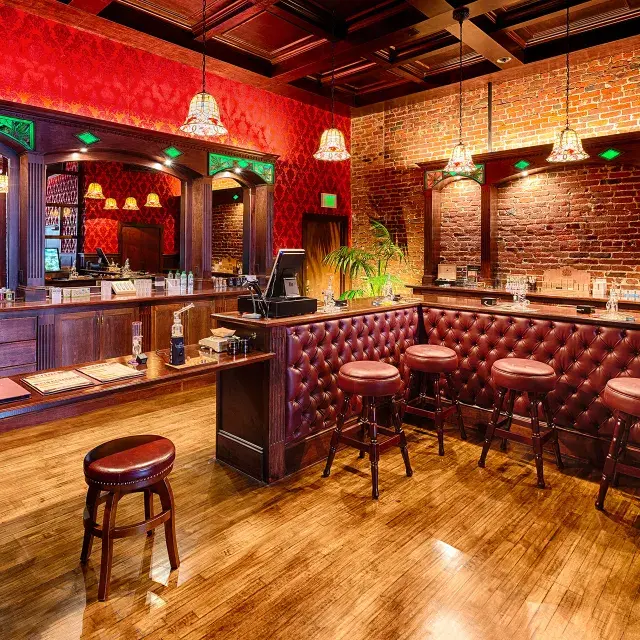
Explore these San Francisco dispensaries bringing a new emphasis on style to the cannabis experience.

Immerse yourself in these brilliant works by some of the world’s most notable light artists at these San Francisco museums.

Did you come to San Francisco just to eat? Don't be embarrassed; this is what San Francisco is famous for!

With Caltrain or an airport shuttle, getting from San Jose to San Francisco has never been easier.

Let United Airlines treat you to a luxurious travel experience in their Polaris lounge at San Francisco International Airport.
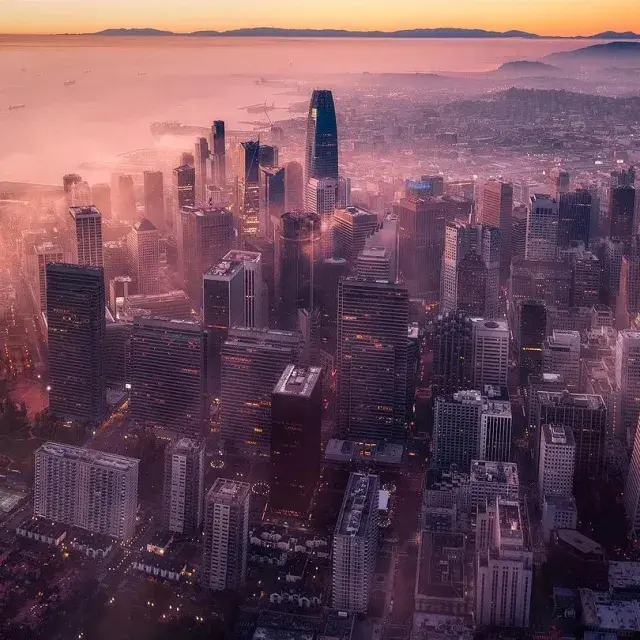
Visit sights seen in the long-awaited follow-up to the blockbuster trilogy of action films, The Matrix, in San Francisco.
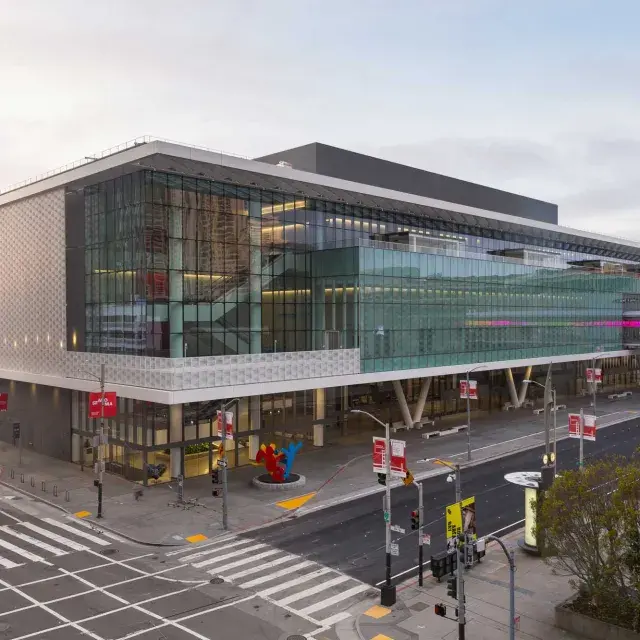
Get the fast facts on San Francisco's largest, greenest, and newly renovated convention venue, The Moscone Center

Sign Up for Our Newsletter
Be the first to know about upcoming events and festivals, new restaurants, special deals, and everything else happening in the City by the Bay.